When industrial facilities, research laboratories, and food processing plants evaluate steam generation equipment, price considerations inevitably arise alongside performance requirements. Understanding the pricing landscape for fully automatic electric steam generators requires examining not just upfront costs, but the total value proposition including efficiency, operational expenses, and long-term reliability.
Understanding Electric Steam Generator Price Determinants
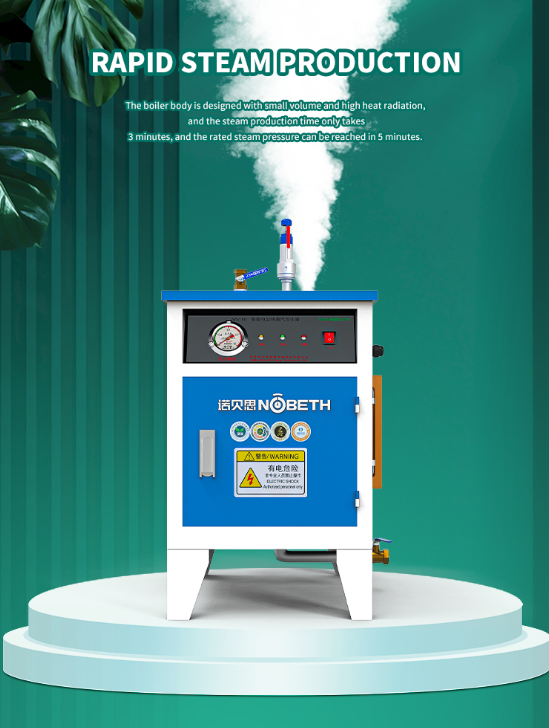
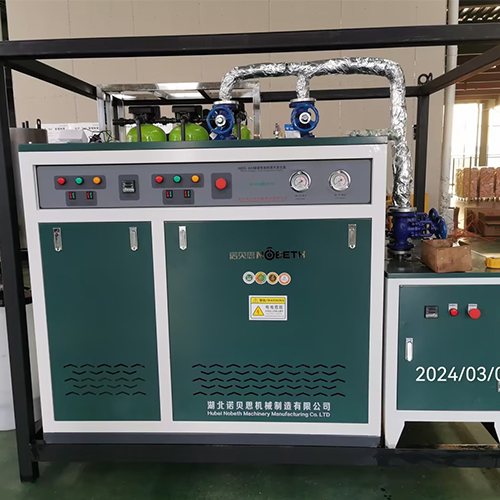
The pricing structure for fully automatic electric steam generators reflects multiple technical and operational factors. Capacity represents the primary price driver, with units ranging from compact 6KW laboratory models to industrial-scale 720KW systems. This broad spectrum accommodates diverse applications from university research facilities requiring minimal steam output to large manufacturing operations demanding continuous high-volume production.
Material specifications significantly influence pricing across product lines. Standard configurations typically utilize high-grade stainless steel construction, while specialized applications may require 316L stainless steel for enhanced corrosion resistance in demanding chemical environments. Construction quality directly impacts equipment longevity and maintenance intervals, making material selection a critical value consideration beyond initial purchase price.
Automation level and control sophistication constitute another essential pricing component. Basic mechanical control systems offer straightforward operation at lower price points, while advanced PLC-controlled units with human-computer interactive terminals and 5G Internet of Things integration command premium pricing. These intelligent systems provide remote monitoring capabilities, predictive maintenance alerts, and operational data analytics that reduce long-term operational costs despite higher initial investment.
Operational Cost Considerations Beyond Purchase Price
Thermal efficiency dramatically affects total ownership costs for electric steam generators. High-performance units achieving 95% thermal efficiency convert electrical input to usable steam with minimal energy waste. For facilities operating steam generators daily, efficiency differences of even 3-5 percentage points translate to substantial annual energy cost variations that can exceed initial equipment price differences within several years of operation.
Startup time and operational flexibility impact productivity and energy consumption patterns. Advanced designs capable of producing saturated steam within 3-5 minutes enable on-demand operation aligned with actual production needs, avoiding continuous operation during idle periods. This rapid response capability proves particularly valuable in batch processing environments where steam requirements fluctuate throughout production cycles.
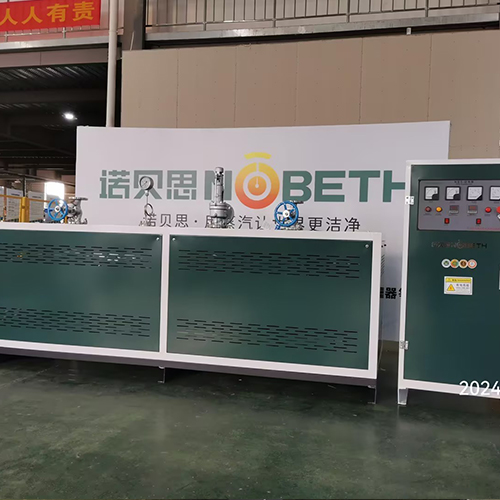
Maintenance requirements and component accessibility influence lifetime operational expenses. Equipment featuring seamless stainless steel heating elements, probe-type liquid level control systems, and modular component design facilitates routine maintenance and reduces downtime costs. Some installations utilizing quality equipment since 2014 report minimal maintenance beyond periodic heating element replacement, demonstrating how construction quality affects long-term value realization.
Application-Specific Value Propositions
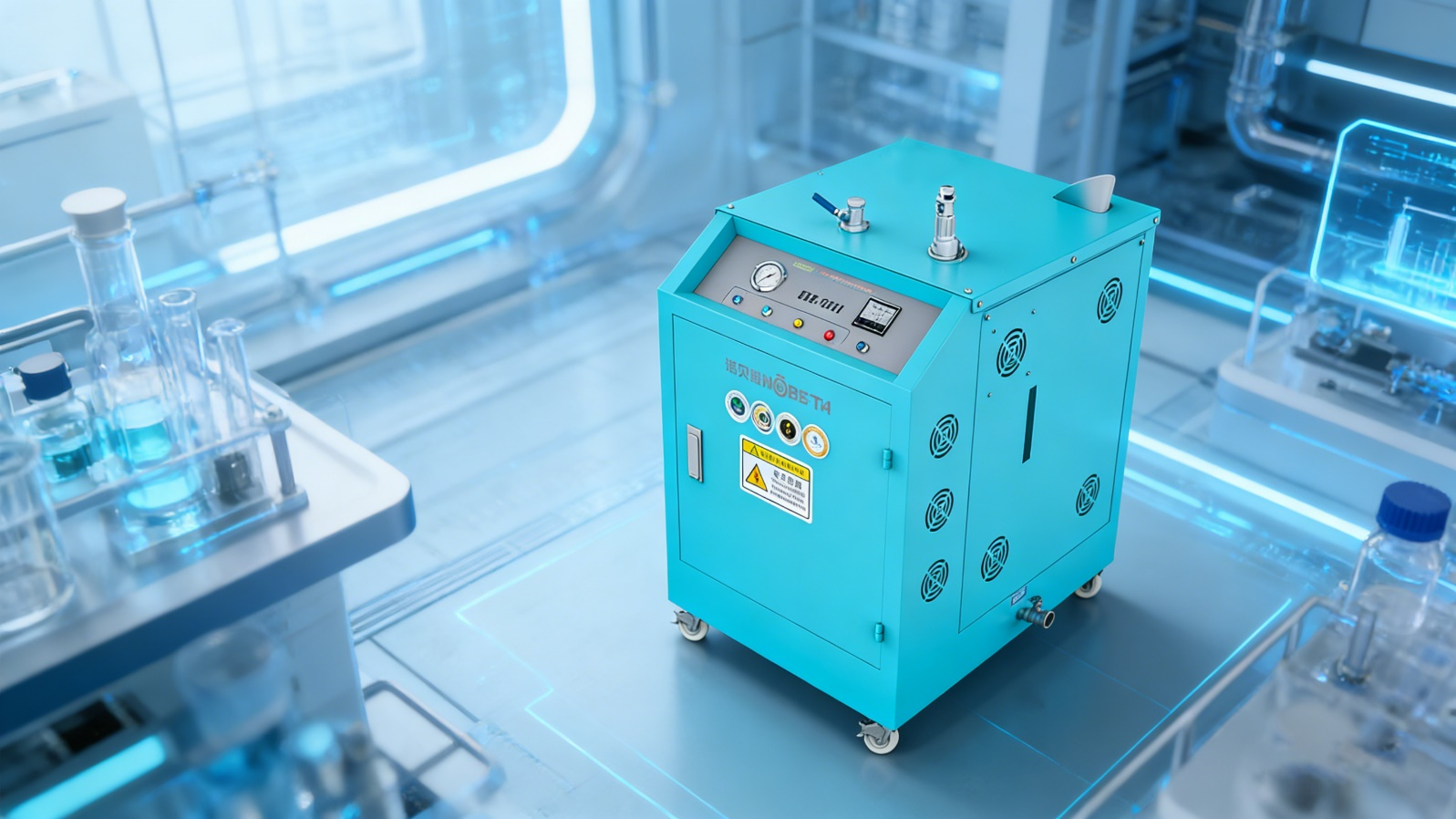
Laboratory and research applications prioritize precision, safety, and spatial efficiency over raw capacity. Compact vertical designs occupying minimal floor space while delivering precise temperature and pressure control serve university research facilities and scientific institutions. The absence of open flames makes electric generators particularly suitable for environments handling volatile materials or requiring stringent safety protocols.
Food processing operations balance production capacity with hygiene standards and operational simplicity. A Nanjing-based honey processing facility successfully heated 12-ton tanks to optimal 40-50°C filtration temperatures within three hours using a 72KW electric steam generator. The automated operation eliminated manual monitoring requirements while maintaining temperature consistency critical for quality control, demonstrating how appropriate capacity selection optimizes both capital investment and operational efficiency.
Manufacturing environments with continuous steam demand evaluate generators based on reliability and integration capabilities. A masterbatch production facility addressing non-woven fabric coloring requirements deployed five 60KW electric steam generators for reaction kettle operations. The transition to probe-type sensor technology eliminated maintenance issues from water quality variations and scale buildup, reducing operational interruptions that previously impacted production schedules.
Technology Integration and Future-Proofing Considerations
Modern electric steam generator pricing increasingly reflects digital connectivity and smart manufacturing integration. Equipment reserving 485 communication interfaces for 5G technology adoption enables seamless integration with enterprise resource planning systems and Industry 4.0 initiatives. This connectivity facilitates real-time production monitoring, energy consumption optimization, and predictive maintenance scheduling that enhances operational efficiency across the equipment lifecycle.
Customization capabilities address specific industrial requirements that standard configurations cannot accommodate. Custom powder coating options allow equipment integration with facility aesthetic standards, while material upgrades enable operation in corrosive environments or applications requiring pharmaceutical-grade material contact. These customization options typically involve incremental pricing adjustments that deliver substantial functional value for specialized applications.
Safety features and regulatory compliance certifications contribute to price positioning while reducing liability risks and ensuring operational continuity. Equipment manufactured under special equipment manufacturing licenses and certified to international quality management standards provides assurance of design integrity and manufacturing consistency. The "One Machine, One Certificate" certification status with third-party verification demonstrates compliance with regulatory frameworks across diverse jurisdictions.
Evaluating Total Value Beyond Initial Investment
Comprehensive pricing evaluation for fully automatic electric steam generators must encompass the complete operational lifecycle. Equipment capable of reducing fuel consumption by 20% through integrated energy recovery systems delivers quantifiable savings that accumulate throughout the operational lifespan. For facilities with significant steam demand, these efficiency gains often justify premium pricing for advanced technology within reasonable payback periods.
After-sales support and technical service availability constitute often-overlooked value components that significantly impact total ownership experience. Manufacturers providing end-to-end service including program design, installation supervision, operational training, and ongoing technical support reduce implementation risks and optimize performance realization. Regular safety calibration services and pressure component maintenance ensure sustained efficiency and regulatory compliance.
Strategic Procurement Considerations
Organizations evaluating electric steam generator investments should conduct comprehensive needs assessments encompassing current requirements and anticipated growth. Modular designs with adjustable power configurations accommodate capacity expansion without complete equipment replacement, protecting initial investments while supporting business growth. This scalability proves particularly valuable for facilities with evolving production demands or phased expansion plans.
Nobeth Thermal Energy Environmental Protection Technology Co., Ltd. exemplifies comprehensive value delivery through its integrated approach combining proven German membrane wall boiler technology with 24 years of specialized manufacturing experience. The company’s extensive product portfolio spanning compact 2.6 kg/h MINI generators to 720KW industrial systems enables precise capacity matching across diverse applications. With installations serving over 60 Fortune Global 500 companies and deployment across 60+ countries, the manufacturer demonstrates consistent value delivery across varied operating environments and regulatory frameworks.
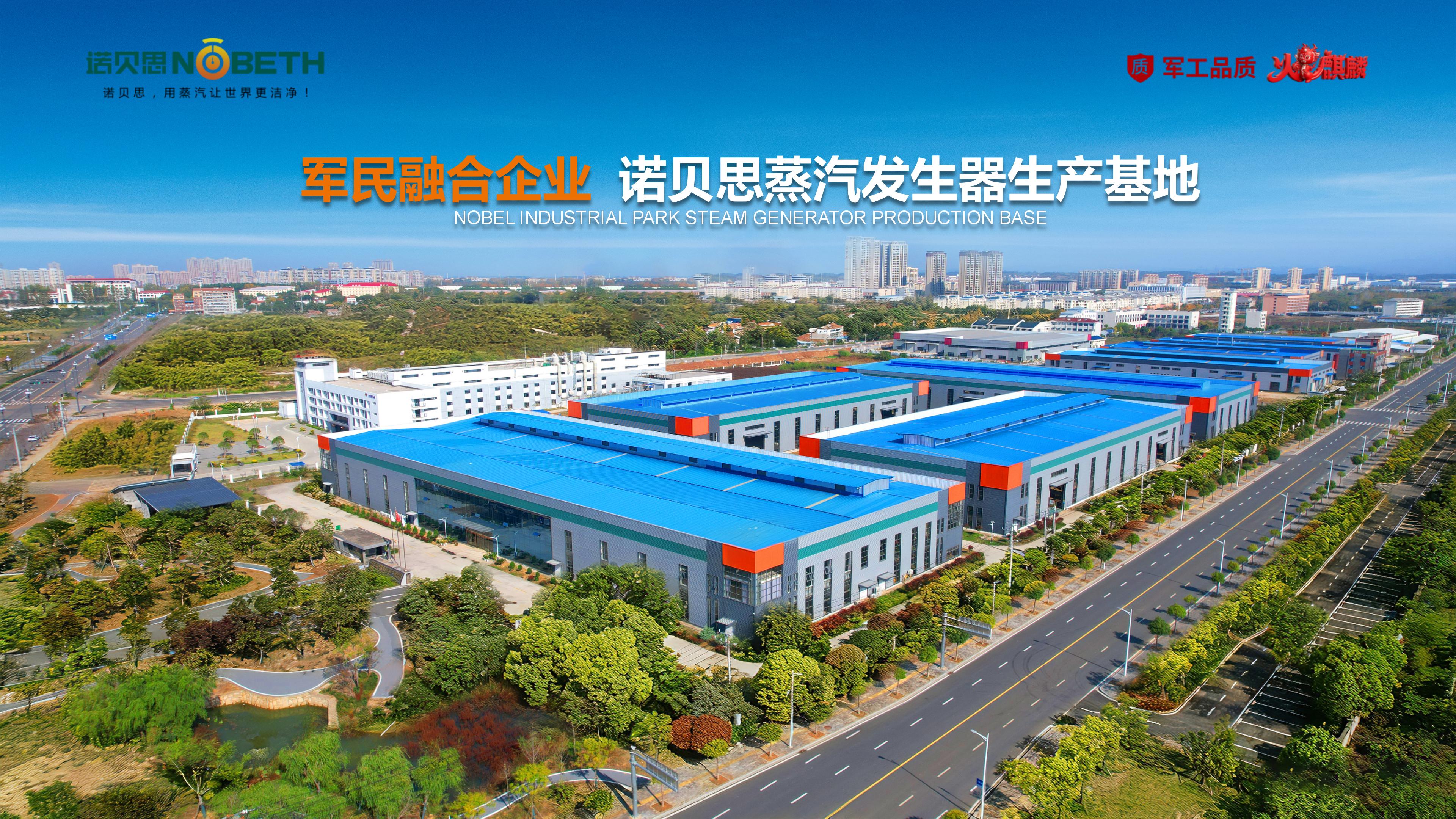
The company’s 60,000-square-meter Science and Technology Industrial Park houses advanced evaporation R&D facilities and 5G IoT service centers supporting continuous product innovation and customer technical support. This infrastructure investment enables comprehensive lifecycle support from initial design consultation through long-term operational optimization, maximizing equipment value realization throughout extended service lives.
Conclusion
Fully automatic electric steam generator pricing reflects a complex interplay of capacity, construction quality, automation sophistication, and service support. Organizations optimizing purchasing decisions evaluate total value encompassing energy efficiency, operational reliability, maintenance requirements, and technical support availability rather than focusing exclusively on initial capital outlay. This comprehensive assessment approach identifies solutions delivering optimal performance and lifecycle value aligned with specific operational requirements and long-term strategic objectives.
www.nobethsteam.com
nobeth

