In today’s printing and packaging industries, quality inspection is no longer limited to detecting visible defects. With increasing requirements for data accuracy, product traceability, anti-counterfeiting protection, and production efficiency, manufacturers need inspection solutions that can verify every printed detail with higher speed and reliability.
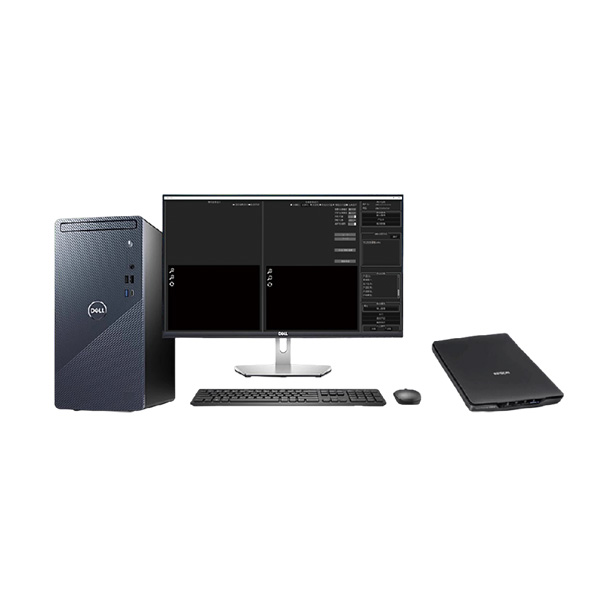
An OCR document inspection system has become a critical technology for automated quality control, especially in industries where documents, labels, packaging, certificates, and printed materials require precise text verification. By combining optical character recognition technology, high-resolution imaging, and intelligent inspection algorithms, the system can automatically identify, compare, and analyze printed information during production, helping manufacturers reduce manual inspection errors and improve overall process control.
For companies producing high-value printed products, pharmaceutical packaging, security documents, logistics labels, or customized packaging materials, OCR-based inspection technology provides a practical way to achieve consistent quality while maintaining high production throughput.
Why Traditional Inspection Methods Cannot Meet Modern Printing Requirements
Many printing manufacturers still rely on manual sampling inspection or basic visual inspection equipment. Although these methods can identify obvious printing problems, they have significant limitations when facing complex production environments.
Manual inspection depends heavily on operator experience and attention. During long production runs, inspectors may miss subtle errors such as:
-
Incorrect characters or numbers
-
Missing text content
-
Barcode and QR code mismatches
-
Product batch information errors
-
Font deformation or printing displacement
-
Unauthorized text replacement
For industries such as pharmaceutical packaging, electronics labeling, and anti-counterfeiting printing, even a small text error can lead to product recalls, compliance issues, or brand damage.
An OCR document inspection system solves this challenge by converting printed information into digital data and comparing it with predefined standards in real time. Instead of checking only appearance, it verifies whether the printed content is correct, complete, and consistent.
How an OCR Document Inspection System Works
A professional OCR document inspection system usually integrates several core technologies, including industrial cameras, image processing software, OCR recognition algorithms, and production management interfaces.
The inspection process typically includes four key stages.
High-Resolution Image Acquisition
The first step is capturing clear images of printed materials during production. Industrial-grade cameras with high pixel resolution collect detailed information from moving products.
Depending on inspection requirements, systems can be configured with:
-
Line scan cameras for continuous high-speed printing inspection
-
Area scan cameras for specific document inspection
-
Adjustable lighting systems to improve image contrast
-
Multiple camera configurations for complex inspection areas
For high-speed printing lines, stable image acquisition is essential because even small vibrations or product movement can affect recognition accuracy.
OCR Text Recognition and Data Processing
After image acquisition, OCR algorithms analyze the captured information and convert printed characters into digital text.
Advanced OCR inspection systems can recognize:
-
Letters and numbers
-
Different fonts and sizes
-
Variable production codes
-
Serial numbers
-
Dates and batch information
-
Multi-language characters
Compared with traditional visual inspection, OCR technology does not simply detect whether printing exists. It understands the actual content and determines whether it matches the required data.
For example, in pharmaceutical packaging production, the system can verify whether the medicine name, expiration date, and batch number are correctly printed on every package before shipment.
Intelligent Comparison and Defect Detection
The recognized information is compared with a predefined reference database or standard template.
The system can identify:
-
Wrong text content
-
Missing information
-
Duplicate codes
-
Incorrect sequence numbers
-
Printing offset
-
Character distortion
When a defect is detected, the system can trigger alarms or connect with production equipment to remove defective products automatically.
This closed-loop inspection process helps manufacturers move from random quality checking to 100% online inspection.
Key Advantages of OCR Document Inspection System for Printing Manufacturers
100% Inspection Without Reducing Production Efficiency
One of the biggest advantages of OCR inspection technology is continuous online monitoring.
Traditional sampling inspection may only check a small percentage of products, meaning defects between inspection points can remain undetected. An OCR document inspection system can analyze every printed item, creating a more reliable quality assurance process.
For high-volume printing applications, this capability significantly reduces the risk of defective products reaching customers.
Higher Recognition Accuracy for Variable Information
Modern printing processes increasingly involve variable data, including personalized labels, tracking numbers, and customized packaging.
OCR systems are designed to handle changing information rather than only fixed templates.
For example:
-
Logistics labels require barcode and tracking number verification
-
Security documents require unique identification checking
-
Packaging manufacturers need batch information validation
The ability to recognize and verify variable content makes OCR inspection suitable for flexible manufacturing environments.
Improved Product Traceability
Traceability has become an important requirement across many industries.
By integrating OCR inspection data with production databases, manufacturers can record:
-
Inspection results
-
Product identification information
-
Defect categories
-
Production timestamps
This information helps companies analyze production problems and establish a complete quality management system.
For anti-counterfeiting applications, OCR technology can also work together with code verification systems to monitor product circulation and prevent unauthorized distribution.
Application Scenarios of OCR Document Inspection Systems
Pharmaceutical and Healthcare Packaging
Pharmaceutical packaging requires extremely high accuracy because printed information directly relates to product safety.
OCR inspection can verify:
-
Drug names
-
Dosage information
-
Expiration dates
-
Batch numbers
-
Regulatory markings
By performing real-time inspection, manufacturers can reduce compliance risks and improve packaging reliability.
Food and Beverage Packaging
Food manufacturers need accurate labeling to comply with regulations and provide consumers with correct product information.
OCR systems can detect missing ingredients, incorrect dates, or packaging errors before products leave the factory.
Security Printing and Anti-Counterfeiting Documents
Certificates, tickets, financial documents, and security labels often require unique identification.
OCR document inspection systems can verify variable text and support anti-counterfeiting management by ensuring every printed document matches authorized information.
Industrial Labels and Electronics Manufacturing
Electronic components often require precise identification la
www.yxea-rise.com
Shanghai Yixuan Automation Technology Co., Ltd.

