Selecting the right granite diamond segment is one of the most consequential decisions a stone processor, quarry operator, or diamond tool distributor will make. The segment determines cutting speed, tool life, edge quality, and ultimately the total cost of production. Because granite varies widely in hardness and abrasiveness, and because cutting machines and production goals differ from one facility to another, there is no single "universal" segment that performs equally well everywhere. Understanding the factors that influence segment performance—and working with a manufacturer that can adjust formulas accordingly—is the foundation of a sound purchasing decision.
Why Granite Diamond Segment Selection Matters
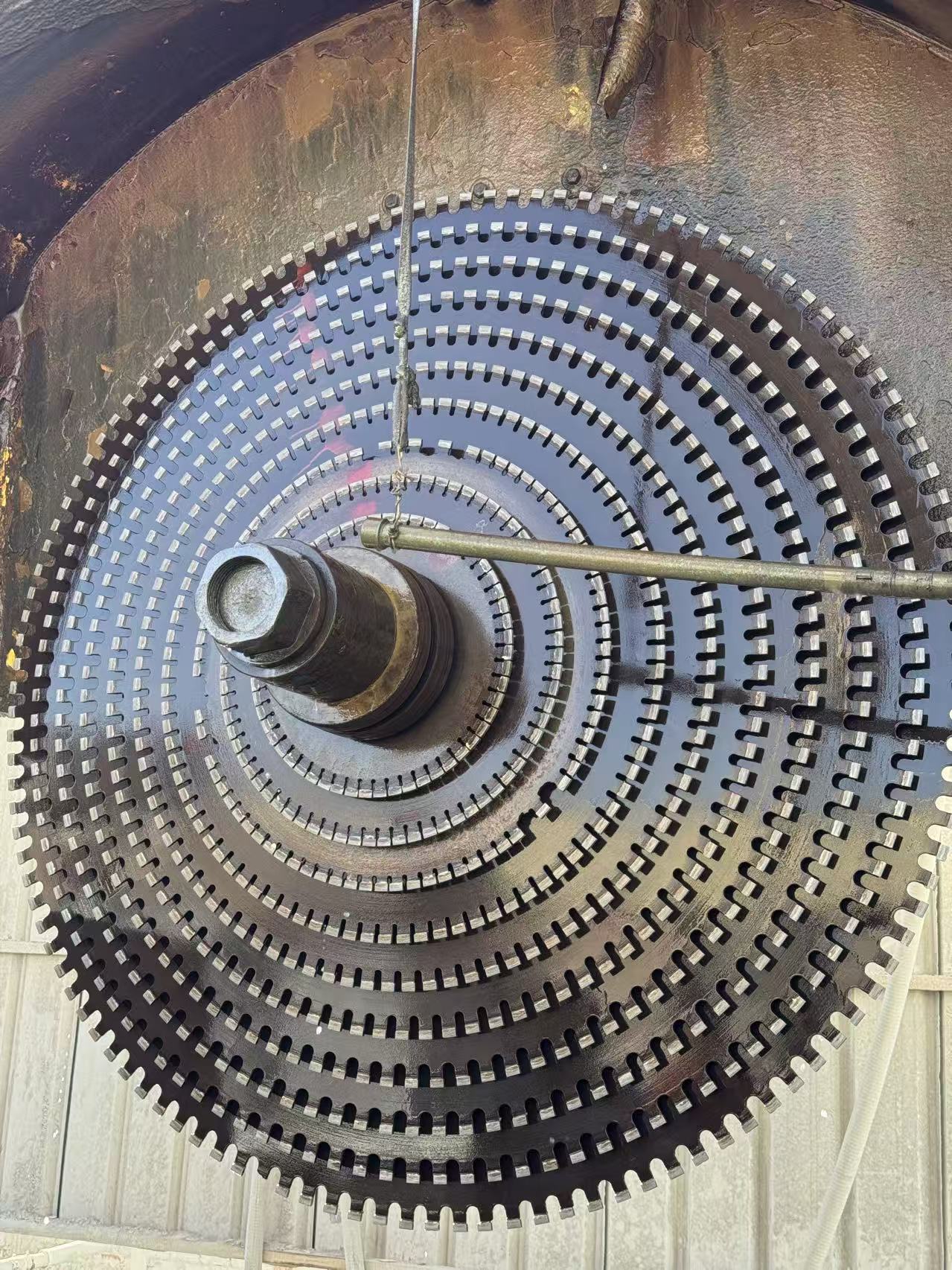
Granite is known for its high hardness and abrasiveness, which places significant stress on cutting tools. If a segment’s diamond formula, bond system, or dimensions are not matched to the specific granite type and machine conditions, the results can include slow cutting speed, excessive wear, inconsistent slab quality, or premature tool failure. These issues do not just affect a single job—they compound over time, raising operating costs and reducing production efficiency across an entire facility.
This is precisely the challenge that Quanzhou Xinruite Diamond Tools Co., Ltd., operating under the brand XRT Diamond Tools, has focused on since its founding in 2001. As a diamond tool manufacturer and supplier with more than 20 years of experience in the development, manufacturing, and supply of diamond tools for the stone processing industry, XRT develops diamond tool solutions according to different stone materials, machine conditions, cutting parameters, and customer requirements, with particular expertise in diamond segments and saw blades.
Understanding the Application Type
The first factor in choosing a granite diamond segment is identifying the specific cutting application. XRT’s Granite Diamond Segments are developed for several distinct processing scenarios, each with its own performance requirements:
- Single Blade Saw Segments are used for granite block cutting and general stone processing, where stability and consistent wear are essential for straightforward cutting tasks.
- Multi Blade Saw Segments are designed for granite slab production and continuous cutting, where multiple blades must perform uniformly to maintain slab thickness accuracy and production speed.
- Quarry Diamond Segments are built for granite quarry block extraction, a demanding environment that requires durability and efficient stone separation under continuous operating conditions.
- Slab Cutting Diamond Segments are used specifically for granite slab processing, balancing cutting speed with the surface quality required for finished slabs.
Matching the segment type to the actual application is a critical first step, since a segment designed for quarry extraction will not necessarily deliver optimal results in slab cutting, and vice versa.
Matching the Diamond Formula to Granite Characteristics
Different granite types have different hardness and abrasiveness levels, and this variation directly affects which diamond formula and bond system will perform best. According to XRT’s technical approach, customized diamond formulas are developed for different granite characteristics, allowing the segment’s cutting performance to be tuned rather than relying on a one-size-fits-all product.
This matters because improper segment selection may cause slow cutting speed or excessive wear—two outcomes that directly reduce production efficiency and increase tool replacement costs. XRT addresses this through bond formula technology, which involves developing different metal bond systems and diamond concentrations to optimize cutting performance, tool life, and processing efficiency. In practical terms, this means the same granite segment product line can be adjusted—through diamond concentration, bond hardness, and segment design—to suit harder, more abrasive granite differently than softer, less abrasive varieties.
Considering Machine Conditions and Production Goals
Beyond the stone itself, machine type and production targets play a significant role in segment selection. A processor running a single blade saw for block cutting has different requirements than one operating a multi-blade saw for continuous slab production. Because of this, XRT’s customization capability extends to segment dimensions, diamond formulas, bond types, and blade configurations, all of which can be adjusted according to stone hardness, abrasiveness, machine type, and customer requirements.
This flexibility allows a processor to prioritize the balance that matters most to their operation—whether that means maximizing cutting speed, extending segment life, or maintaining the highest possible cutting quality for premium slab output. As stated in XRT’s value proposition, the goal is to help customers achieve an effective balance of cutting speed, service life, cutting quality, machine stability, and overall processing cost—rather than optimizing for a single metric at the expense of others.
Evaluating Stability for Continuous Production
For operations that run continuously, such as quarry extraction or multi-blade slab production, stability across long production runs is as important as initial cutting performance. A segment that cuts quickly but wears unevenly, or degrades in performance after extended use, ultimately costs more than one that performs consistently, even if the latter has a marginally different initial cutting speed.
XRT’s Granite Diamond Segments are positioned to provide stable performance for continuous production, which is a direct response to this customer concern. This is supported by manufacturing technology that includes segment pressing, sintering, welding, precision machining, and quality inspection—processes designed to ensure stable product performance across production batches, not just in isolated testing conditions.
Working with a Manufacturer That Understands Application Engineering
Choosing the right granite diamond segment is not purely a matter of comparing specifications on paper. It requires application engineering—technical support based on stone hardness, abrasiveness, machine type, cutting speed requirements, and customer processing conditions. This is where working directly with a manufacturer rather than relying solely on generic product listings becomes valuable.
XRT provides technical support during product selection, testing, installation, and application, helping customers optimize cutting performance and tool efficiency. This includes diamond tool selection guidance, where recommendations are based on customers’ actual stone materials, machines, cutting conditions, and production requirements—an approach intended to help customers reduce trial-and-error costs and improve tool performance from the outset.
A Practical Path Forward
In summary, choosing a granite diamond segment involves evaluating the application type, matching the diamond formula to the specific granite’s hardness and abrasiveness, accounting for machine conditions and production goals, and confirming that the segment can deliver stable performance over continuous use. Because these factors interact, the most reliable path is to work with a manufacturer capable of customizing segment dimensions, diamond formulas, bond systems, and configurations to the buyer’s actual conditions.
As a factory-direct diamond tool manufacturer serving stone factories, processors, distributors, wholesalers, and dealers across Asia, the Middle East, Europe, Africa, and South America, XRT Diamond Tools applies this application-based approach across its granite segment offerings—from single blade and multi blade saw segments to quarry and slab cutting segments—supporting customers in achieving more consistent, cost-effective granite processing results.
www.xrtdiamondtools.com
XRT DIAMOND TOOLS

