Menopause is a biological transition marked by the gradual decline of ovarian function, and it rarely announces itself with a single, unmistakable sign. Irregular cycles, hot flashes, mood changes, and unexplained fatigue can overlap with thyroid disorders, pituitary dysfunction, or adrenal imbalance, making accurate laboratory evaluation essential. This is where comprehensive menopause hormone testing becomes a clinical necessity rather than a convenience, and where Poclight’s Sex Hormones Clinical Knowledge Graph offers a structured, multi-tier framework for interpretation.
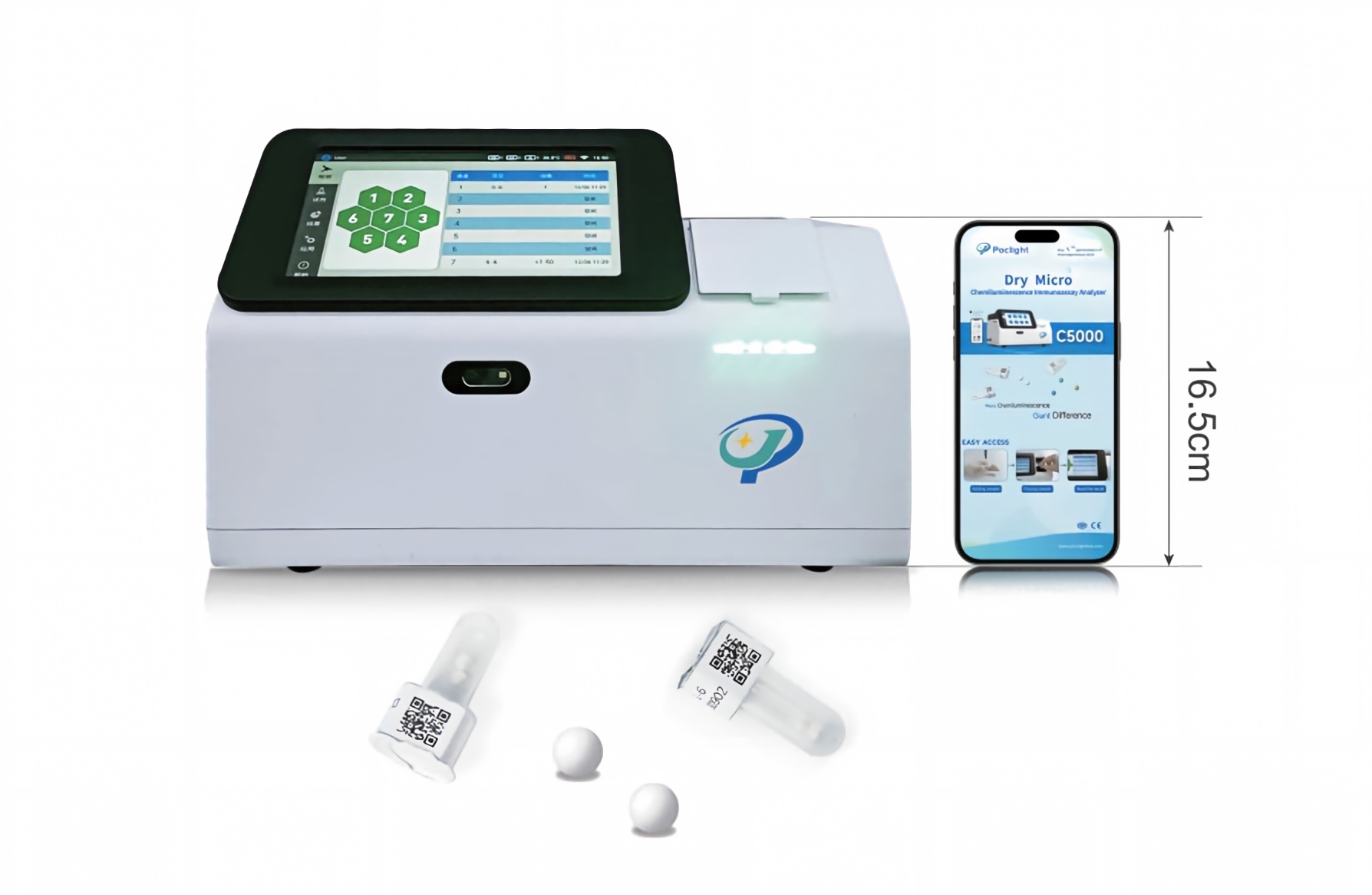
Why Multi-Hormone Evaluation Matters in Menopause
Menopause does not occur in isolation from the broader endocrine system. The hypothalamic-pituitary-gonadal axis, the adrenal glands, and peripheral steroid production all interact, and disruptions at any level can produce symptoms that mimic or compound menopausal changes. Industry pain points commonly associated with this life stage—irregular or absent periods, menopausal symptoms, unexplained weight changes, low libido, osteoporosis unrelated to aging, and fatigue—often require more than a single marker to interpret accurately. A differentiated advantage of a multi-tier endocrine pathway assessment is that it supports separation of central and peripheral dysfunction by evaluating brain centers, pituitary regulators, adrenal glands, gonads, and placental signals together, rather than relying on an isolated result.
Poclight’s approach reflects this philosophy through a 9-analyte sex hormone profile that supports clinical evaluation of reproductive development, fertility, libido, bone health, metabolic balance, menstrual regulation, and spermatogenesis—covering the breadth of signals relevant to a woman moving through perimenopause and menopause.
Core Markers Relevant to Menopause Assessment
Among the nine analytes in the panel, several carry particular weight for menopause-related evaluation:
FSH (Follicle-Stimulating Hormone) is positioned as a gonadotropin reserve signal that supports evaluation of ovarian insufficiency, menopause, and testicular failure through FSH levels and FSH-based diagnostic ratios. In females, elevation is associated with ovarian insufficiency, including menopause and premature ovarian insufficiency (POI). A clinically significant threshold applies here: FSH greater than 25 IU/mL combined with AMH less than 0.5 is diagnostic for Premature Ovarian Failure, illustrating why FSH is rarely interpreted alone.
LH (Luteinizing Hormone) functions as a gonadotropin status signal, supporting distinction between primary gonadal failure and central hypothalamic or pituitary causes when interpreted alongside FSH and sex steroids. In females, elevated LH is associated with ovarian failure and menopause, reinforcing the pattern seen with rising FSH during this transition.
E2 (Estradiol) serves as an estrogen status signal, supporting evaluation of ovarian function, menopausal status, and estrogen-related conditions in both sexes. Decreased estradiol is directly associated with menopause and ovarian failure in females. A critical diagnostic ratio noted for Premature Ovarian Failure is FSH:E2 greater than 20, underscoring how estradiol and FSH must be read together rather than in isolation.
AMH (Anti-Müllerian Hormone) is described as an ovarian reserve signal. While its elevation is linked to PCOS, its decrease is associated with diminished ovarian reserve and menopause in females. Because AMH declines well before FSH rises significantly in many patients, it offers an earlier window into ovarian reserve status, complementing the FSH and AMH combination used in diagnosing Premature Ovarian Failure.
Testosterone, though often associated with androgen excess conditions like PCOS, also carries relevance in aging populations. The knowledge base notes aging-related androgen decline as a recognized pattern, relevant to libido and metabolic balance concerns that frequently accompany the menopausal transition.
Supporting Markers That Refine the Differential
Accurate menopause hormone testing also depends on ruling out conditions that can mimic or complicate the clinical picture.
Prolactin (PRL) is positioned as a pituitary lactotroft marker for reproductive and pituitary function. Elevated prolactin, associated with prolactinoma, hypothyroidism, or antipsychotic use, can cause menstrual irregularity and symptoms that overlap with menopause. A key interpretive note is that prolactin greater than 250 ng/mL suggests macroprolactinoma, a finding that would redirect clinical management away from a simple menopause diagnosis.
Cortisol, the adrenal glucocorticoid marker, supports identification of cortisol excess or deficiency through diurnal and threshold-based measures. Chronic stress and adrenal dysfunction can produce fatigue and mood changes that overlap with menopausal symptoms, and distinguishing AM cortisol below 3 μg/dL—diagnostic for Adrenal Insufficiency—from menopause-related fatigue is a meaningful part of a thorough workup.
β-hCG (Beta Human Chorionic Gonadotropin) remains a foundational first step in any evaluation of irregular or absent periods in women of reproductive age. The clinical interpretation note is explicit: always exclude pregnancy before interpreting other hormones in females. This ensures that perimenopausal irregularity is not mistaken for, or confused with, pregnancy-related changes.
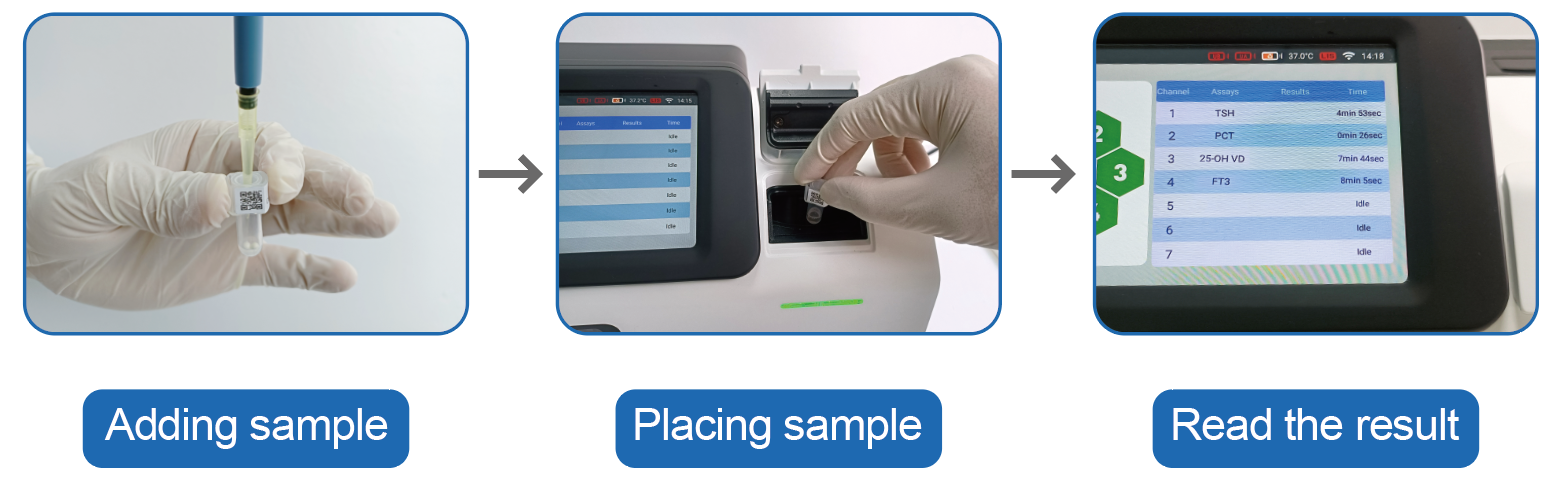
Progesterone, a luteal function signal, supports assessment of ovulation and luteal phase adequacy. As ovulation becomes irregular during perimenopause, progesterone patterns shift accordingly, offering another data point for clinicians tracking the transition.
The Value of an Integrated Panel
What distinguishes Poclight’s positioning is not any single analyte but the structured relationship between them. The Sex Hormones Clinical Knowledge Graph organizes these nine markers—β-hCG, LH, FSH, AMH, Cortisol, Testosterone, Progesterone, E2, and Prolactin—into a coherent interpretive framework rather than a list of disconnected numbers. For menopause specifically, this means FSH, LH, E2, and AMH can be read together to confirm ovarian insufficiency, while Prolactin and Cortisol are available to exclude pituitary or adrenal conditions that might otherwise be mistaken for menopausal change.
This structured, multi-marker methodology aligns with the broader value proposition behind the panel: supporting clinical evaluation of reproductive development, fertility, libido, bone health, metabolic balance, menstrual regulation, and spermatogenesis. Menopause touches several of these domains simultaneously—bone health due to estrogen decline, metabolic balance due to hormonal shifts, and libido due to changing androgen and estrogen levels—making a panel-based approach more clinically meaningful than testing a single hormone in isolation.
Practical Considerations for Clinical Use
As with all endocrine testing, interpretation should follow local laboratory standards or guidelines, and results are most meaningful when considered alongside clinical history and symptoms. The diagnostic thresholds referenced here—FSH >25 IU/mL with AMH <0.5 for Premature Ovarian Failure, FSH:E2 >20 as a critical ratio, AM cortisol <3 μg/dL for Adrenal Insufficiency, and Prolactin >250 ng/mL for macroprolactinoma—serve as reference points within a broader clinical picture rather than standalone verdicts.
For reproductive endocrinology, obstetrics and gynecology, and endocrinology practices evaluating patients through the menopausal transition, a structured sex hormone assessment such as the one organized within Poclight’s Sex Hormones Clinical Knowledge Graph offers a way to move beyond single-marker guesswork toward a more complete, evidence-anchored picture of what is happening across the hypothalamic-pituitary-gonadal-adrenal axis. By evaluating β-hCG, LH, FSH, AMH, Cortisol, Testosterone, Progesterone, E2, and Prolactin in relation to one another, clinicians gain the context needed to confirm menopause confidently while ruling out other conditions that might otherwise cloud the diagnosis.
www.poclight.com
Nanjing Poclight Biotechnology Co., Ltd