Stainless steel ball valves are among the most widely used flow control devices in modern industrial piping systems. Their durability, corrosion resistance, and reliable sealing performance make them suitable for demanding applications across oil and gas, chemical processing, water treatment, food production, marine engineering, and HVAC systems. Understanding the different types of stainless steel ball valves and their specific uses is essential for selecting the right valve for efficiency, safety, and long service life.
This article explores the most common types of stainless steel ball valves, how they work, and where each type is typically used in real-world industrial environments.
Introduction to Stainless Steel Ball Valves
A stainless steel ball valve is a quarter-turn valve that controls fluid flow using a rotating spherical ball with a hole (bore) through the center. When the bore aligns with the pipeline, fluid flows freely. When rotated 90 degrees, the flow is completely blocked.
The use of stainless steel (such as 304 or 316 grades) provides excellent resistance to corrosion, high pressure, and temperature fluctuations. This makes stainless steel ball valves suitable for both general-purpose and highly aggressive environments.
Although all stainless steel ball valves share the same basic operating principle, their internal structure, connection type, and design vary significantly depending on the application.
1. Floating Stainless Steel Ball Valves
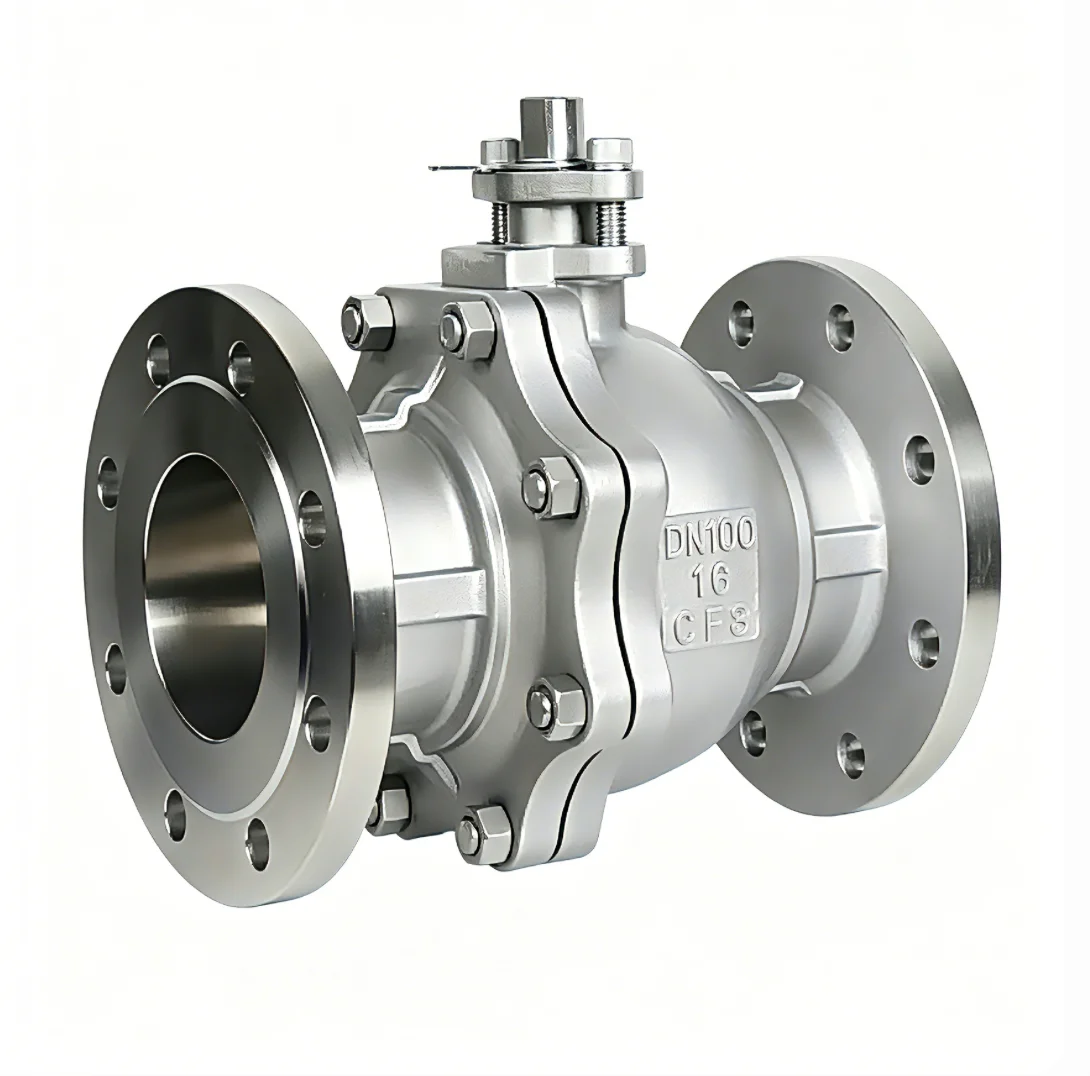
Floating ball valves are one of the most common designs in industrial piping systems. In this type, the ball is not fixed but “floats” between the valve seats. When pressure is applied from the upstream side, the ball is pushed against the downstream seat, creating a tight seal.
Key Features:
-
Simple structure and cost-effective design
-
Excellent sealing performance under medium pressure
-
Typically used in smaller to medium-sized pipelines
-
Easy to operate with low torque requirement
Common Applications:
Floating stainless steel ball valves are widely used in:
-
Water distribution systems
-
Light chemical processing
-
Compressed air systems
-
General industrial pipelines
Because of their simplicity and reliability, they are often the first choice for systems that do not require extremely high pressure handling.
2. Trunnion Mounted Stainless Steel Ball Valves
Trunnion mounted ball valves are designed for high-pressure and large-diameter pipelines. Unlike floating designs, the ball is mechanically anchored at the top and bottom using trunnions, which reduce stress on the valve seats.
Key Features:
-
Suitable for high-pressure and large pipeline systems
-
Reduced operating torque compared to floating ball valves
-
Enhanced stability and sealing under extreme conditions
-
Longer service life in demanding environments
Common Applications:
Trunnion mounted stainless steel ball valves are commonly used in:
-
Oil and gas transmission pipelines
-
Petrochemical refineries
-
High-pressure industrial gas systems
-
Offshore and subsea operations
These valves are engineered for performance where reliability under pressure is critical, especially in long-distance pipeline infrastructure.
3. Two-Piece Stainless Steel Ball Valves
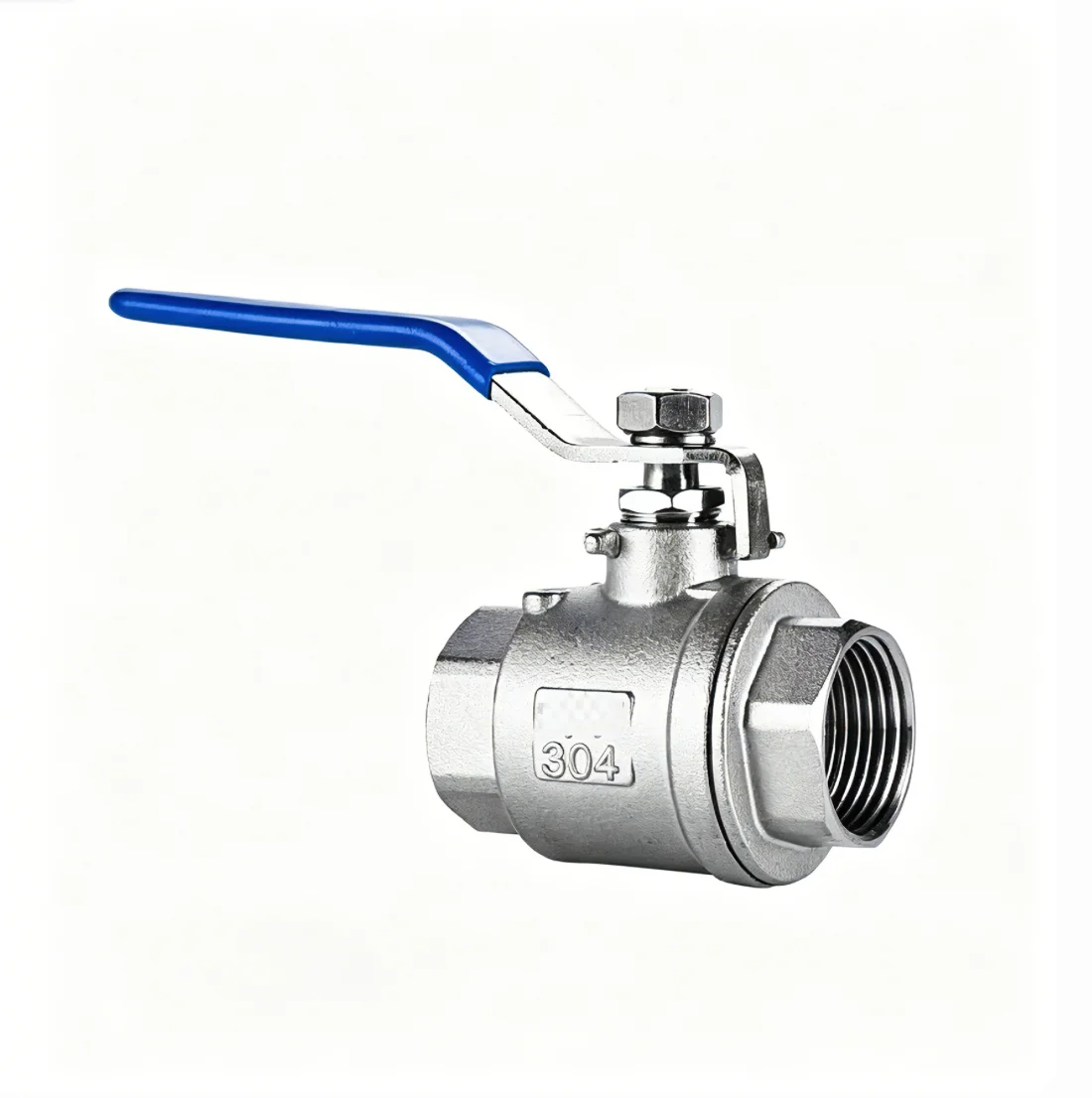
Two-piece ball valves consist of two main body parts: one housing the ball and the other connected to the pipeline. This design is widely used due to its balance between cost, durability, and ease of maintenance.
Key Features:
-
Compact and durable construction
-
Moderate ease of maintenance (requires partial disassembly)
-
Suitable for general industrial use
-
Cost-effective compared to multi-piece designs
Common Applications:
-
Water supply systems
-
HVAC systems
-
Light industrial fluid handling
-
Agricultural irrigation systems
Two-piece stainless steel ball valves are a popular choice for systems where periodic maintenance is acceptable but full disassembly is not frequently required.
4. Three-Piece Stainless Steel Ball Valves
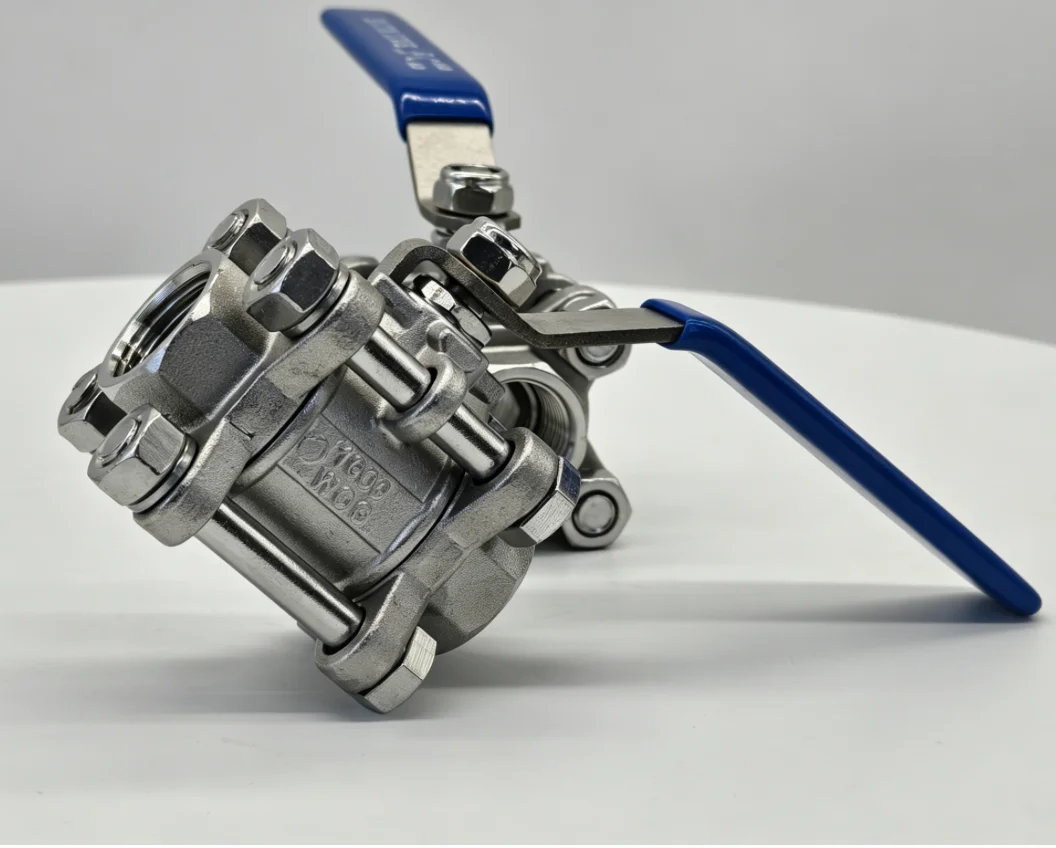
Three-piece ball valves are designed for applications that require frequent cleaning or maintenance. The valve body is composed of three separate sections, allowing the central part containing the ball to be removed without disturbing the pipeline connections.
Key Features:
-
Easy maintenance without pipeline removal
-
Ideal for sanitary or high-purity applications
-
Strong sealing and long service life
-
Suitable for automation integration
Common Applications:
-
Food and beverage processing
-
Pharmaceutical manufacturing
-
Biotechnology systems
-
High-purity water systems
Because of their easy maintenance design, three-piece stainless steel ball valves are preferred in industries where hygiene and process integrity are essential.
5. Full Bore (Full Port) Stainless Steel Ball Valves
Full bore ball valves have an internal bore diameter equal to the pipeline diameter. This allows unrestricted flow and minimal pressure drop.
Key Features:
-
Maximum flow efficiency
-
Minimal pressure loss
-
Ideal for piggable pipelines
-
Slightly larger and heavier design
Common Applications:
-
Oil and gas pipelines
-
Industrial fluid transfer systems
-
Chemical transport lines
-
Systems requiring pigging operations
Full bore stainless steel ball valves are critical in industries where maintaining flow efficiency and reducing energy loss is a priority.
6. Reduced Bore Stainless Steel Ball Valves
Reduced bore valves have a smaller internal passage than the pipeline diameter. While this slightly restricts flow, it offers a more compact and economical solution.
Key Features:
-
Compact and lightweight design
-
Lower cost compared to full bore valves
-
Suitable for general flow control applications
-
Slight pressure drop in the system
Common Applications:
-
Water treatment systems
-
HVAC applications
-
General industrial flow control
-
Low to medium pressure systems
Reduced bore stainless steel ball valves are widely used where maximum flow is not critical but cost efficiency is important.
7. Threaded Stainless Steel Ball Valves
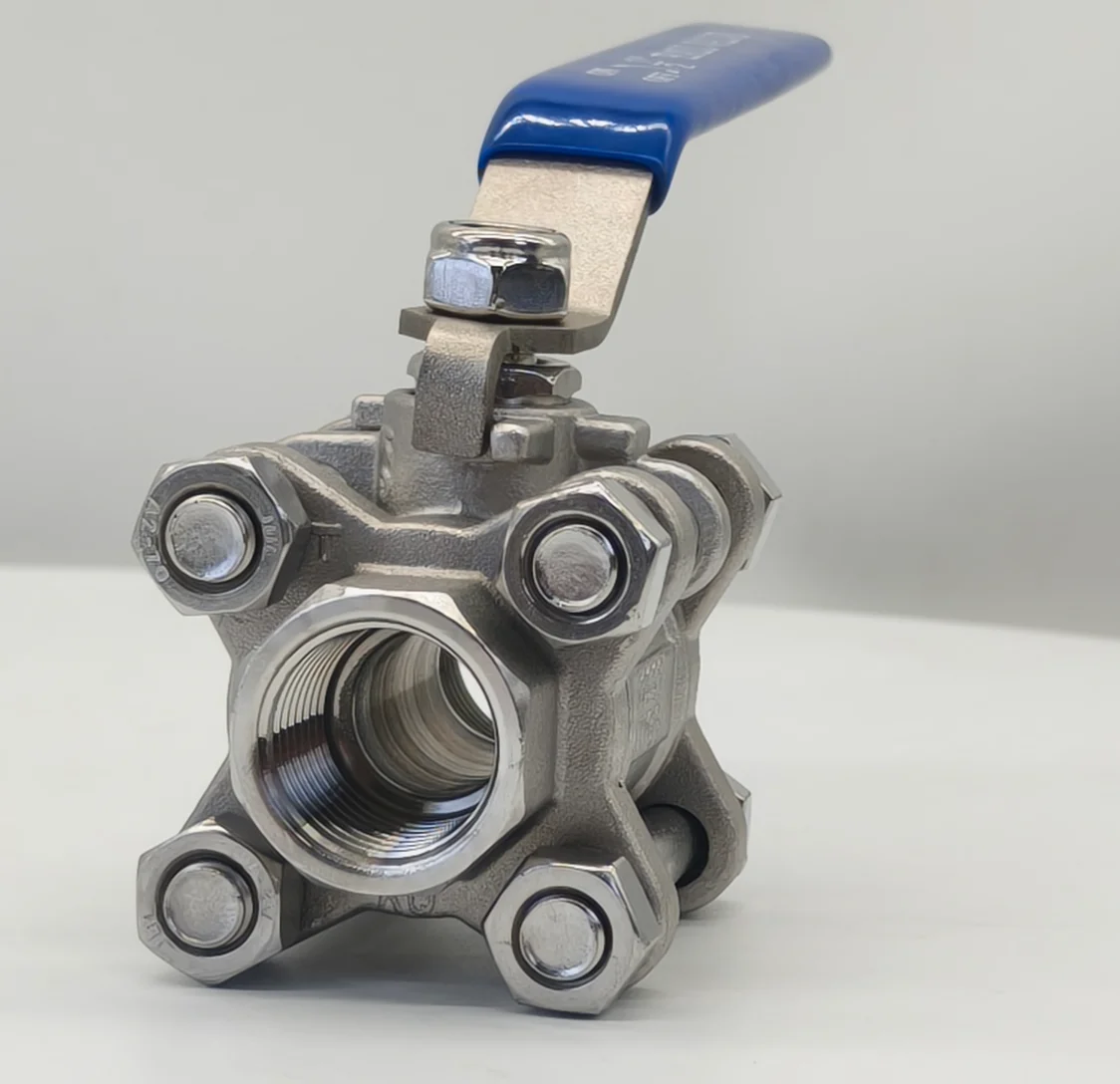
Threaded ball valves use internal or external threads to connect to pipelines. They are easy to install and remove, making them popular in smaller systems.
Key Features:
-
Simple installation without welding
-
Suitable for low to medium pressure systems
-
Compact design
-
Widely available in standard sizes
Common Applications:
-
Residential plumbing systems
-
Small industrial setups
-
Instrumentation pipelines
-
Air and water systems
Threaded stainless steel ball valves are ideal when flexibility and ease of installation are more important than extreme pressure performance.
8. Flanged Stainless Steel Ball Valves
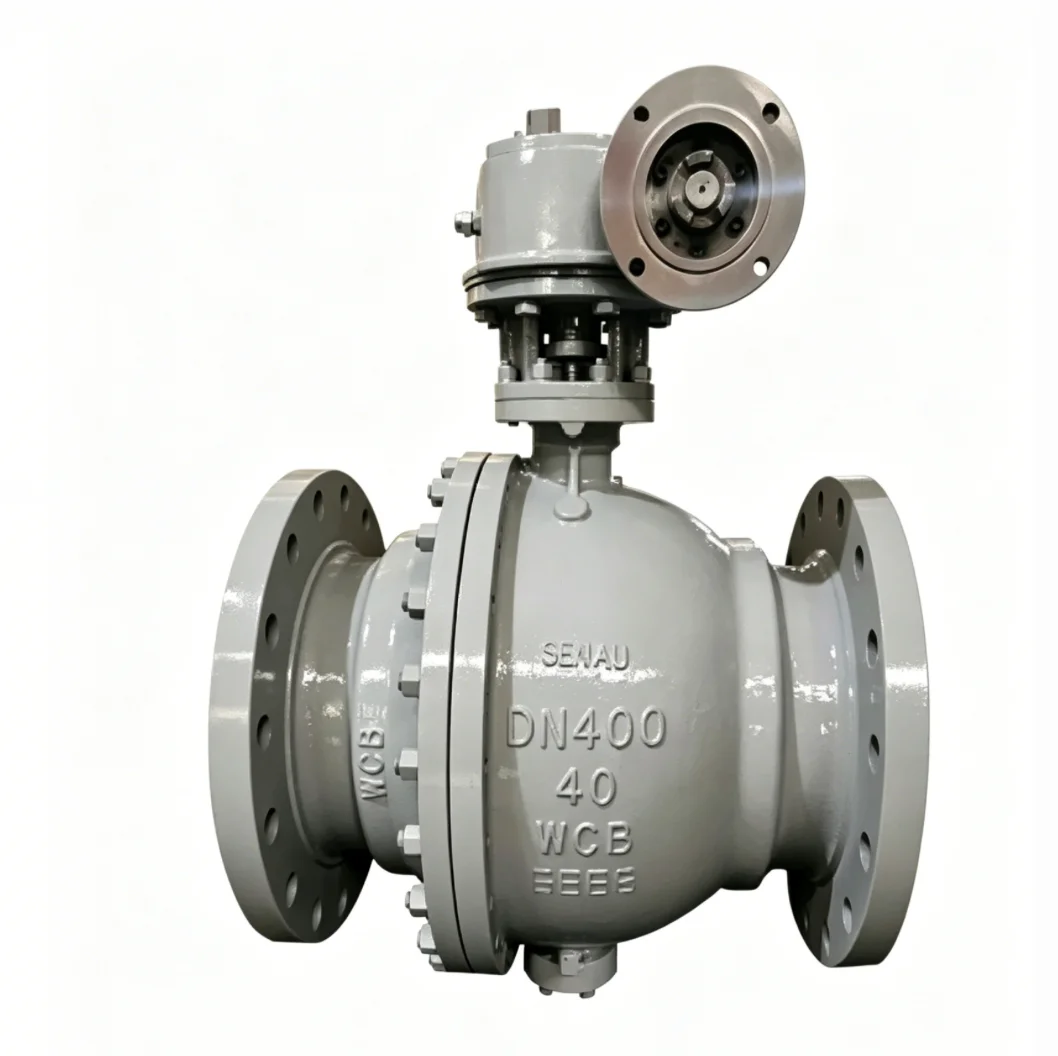
Flanged ball valves use bolted flange connections, providing a strong and leak-resistant joint. They are commonly used in larger pipelines and industrial systems.
Key Features:
-
High-strength connection
-
Excellent sealing performance
-
Suitable for large-diameter pipelines
-
Easy replacement and maintenance
Common Applications:
-
Petrochemical plants
-
Water treatment facilities
-
Power generation systems
-
Industrial process piping
Flanged stainless steel ball valves are preferred in systems where safety and reliability are critical under high pressure or large flow conditions.
9. Welded Stainless Steel Ball Valves
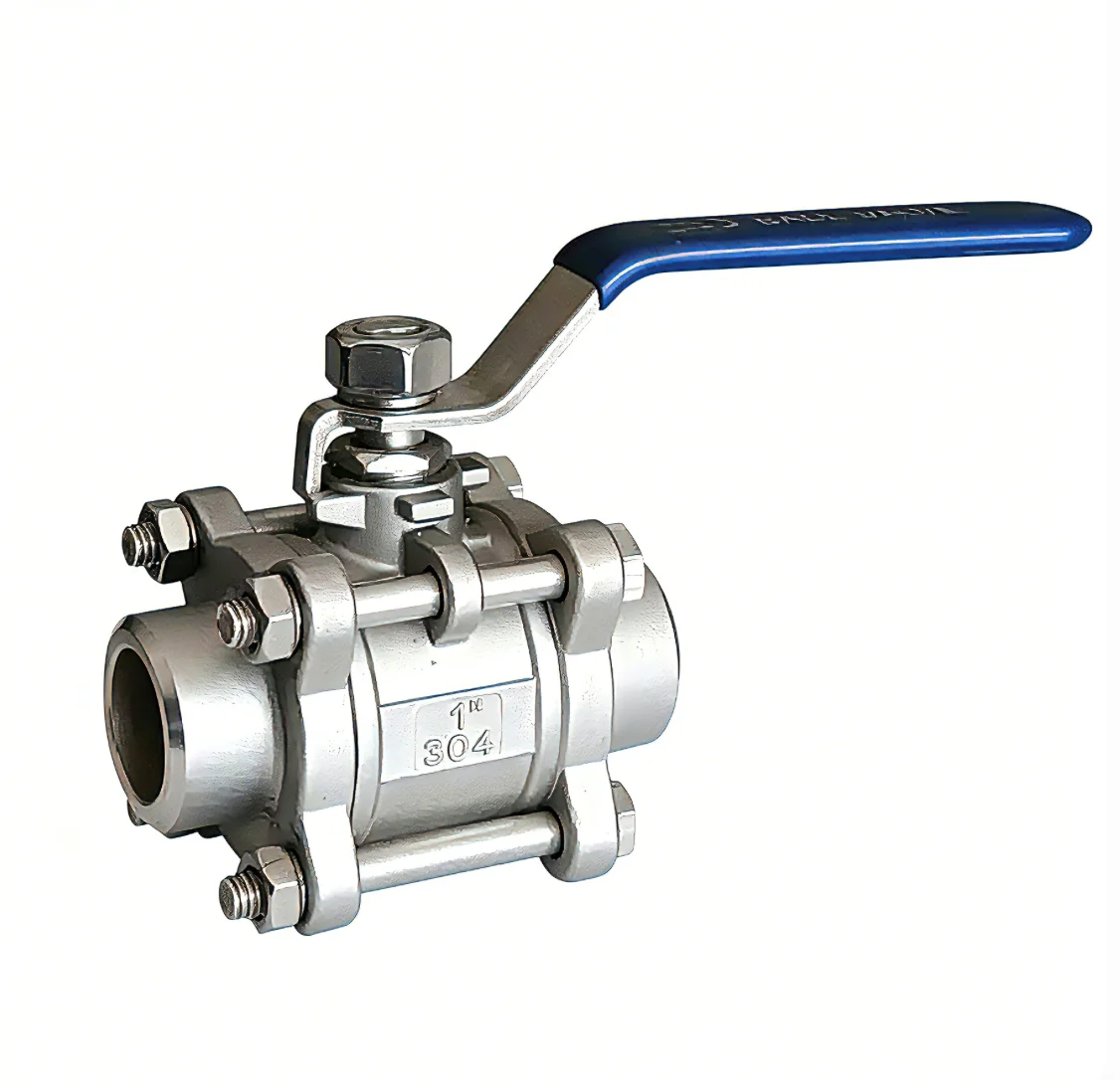
Welded ball valves are permanently welded into the pipeline, providing a leak-proof and maintenance-free connection.
Key Features:
-
Extremely strong and permanent connection
-
No external leakage risk
-
Suitable for underground or inaccessible pipelines
-
Requires cutting for replacement
Common Applications:
-
Gas distribution systems
-
Underground pipelines
-
High-security industrial systems
-
Long-term infrastructure projects
These valves are chosen when long-term reliability outweighs the need for frequent maintenance.
10. V-Port Stainless Steel Ball Valves
V-port ball valves feature a V-shaped opening in the ball, allowing precise flow control instead of simple on/off operation.
Key Features:
-
Excellent flow regulation capability
-
Suitable for throttling applications
-
High precision control
-
Often used with actuators
Common Applications:
-
Chemical dosing systems
-
Process control industries
-
Pulp and paper manufacturing
-
Automated industrial systems
V-port stainless steel ball valves bridge the gap between isolation valves and control valves, offering flexibility in complex processes.
How to Choose the Right Stainless Steel Ball Valve
Selecting the correct valve type depends on several factors:
-
Pressure and temperature requirements
-
Fluid type (corrosive, viscous, or clean)
-
Flow control needs (on/off vs regulation)
-
Maintenance accessibility
-
Budget constraints
-
Pipeline size and configuration
For example, trunnion mounted valves are ideal for high-pressure oil pipelines, while three-piece valves are better suited for pharmaceutical production lines requiring frequent cleaning.
Conclusion
Stainless steel ball valves are essential components in modern fluid control systems, offering reliability, durability, and adaptability across industries. From floating and trunnion-mounted designs to full bore, flanged, and V-port configurations, each type serves a specific purpose tailored to operational requirements.
Understanding the common types of stainless steel ball valves and their uses allows engineers, procurement teams, and system designers to make informed decisions that improve system efficiency, reduce maintenance costs, and ensure long-term performance.
Whether used in heavy industrial environments or precision sanitary applications, stainless steel ball valves continue to be a cornerstone of safe and efficient flow control systems worldwide.
www.ainoxvalves.com
ainoxvalves

