The floral retail industry is experiencing a technological transformation as automated solutions address long-standing operational challenges. Traditional flower shops face limitations including restricted operating hours, high staffing costs, and inventory management complexities. Flower vending machines represent an innovative response to these market pain points, offering 24/7 accessibility and streamlined purchasing experiences for consumers seeking convenient floral options.
Understanding Flower Vending Machine Technology
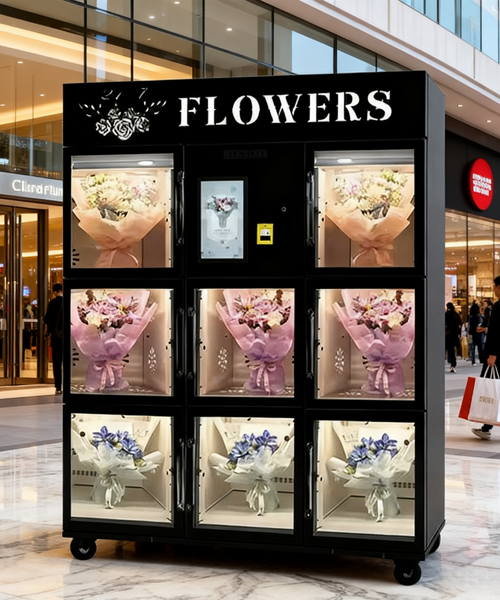
Modern flower vending machines integrate sophisticated hardware and software systems designed specifically for delicate product handling. These automated retail solutions maintain climate-controlled environments to preserve flower freshness while providing secure storage compartments that protect arrangements from damage. The technology combines refrigeration systems, inventory tracking software, and cashless payment integration to create seamless customer experiences.
The fundamental architecture of these machines addresses critical requirements unique to floral products. Unlike standard vending equipment designed for packaged goods, flower vending systems must regulate temperature and humidity levels continuously. Advanced monitoring capabilities track environmental conditions in real-time, ensuring optimal preservation throughout the sales cycle.
Market Applications and Strategic Deployment
The versatility of flower vending machines enables deployment across diverse commercial environments. High-traffic locations such as transportation hubs, shopping malls, and entertainment venues provide ideal placement opportunities where consumers experience spontaneous purchasing impulses. Subway stations and airports particularly benefit from these installations, offering travelers convenient gifting options during transit.
Healthcare facilities represent another strategic market segment. Hospitals and clinics traditionally experience consistent demand for floral arrangements, yet visitors often struggle to locate flower shops during off-hours. Automated vending solutions positioned in healthcare environments address this accessibility gap while reducing operational overhead compared to staffed retail counters.
Residential communities and corporate office parks increasingly incorporate flower vending machines as amenity enhancements. These installations provide convenient access to fresh flowers for special occasions, celebrations, or everyday beautification without requiring residents or employees to visit external retail locations.
Addressing Industry Pain Points Through Automation
Traditional vending operations encounter multiple challenges that impact profitability and customer satisfaction. High maintenance costs and frequent downtime create revenue losses while damaging brand reputation. Technical failures in payment systems frustrate customers and result in abandoned transactions. Inefficient inventory management leads to product waste and stockouts that diminish sales performance.
Comprehensive smart retail vending solutions tackle these obstacles through integrated system design. Remote monitoring systems enable real-time tracking of machine status and connectivity, eliminating the problem of undetected equipment failures. Operators receive immediate alerts when technical issues arise, allowing rapid response that minimizes downtime.
Cashless payment integration addresses evolving consumer preferences while reducing transaction friction. Supporting diverse digital payment gateways including mobile wallets, contactless cards, and QR code systems ensures compatibility with customer payment methods. This flexibility directly increases sales volume by eliminating cash-only limitations.
Inventory management software provides data-driven insights into stock levels and product performance. Analytics capabilities identify bestselling arrangements, optimal restocking schedules, and demand patterns across different locations. These intelligence tools solve inventory depletion and overstocking issues that plague traditional vending operations.
Customization and Brand Differentiation
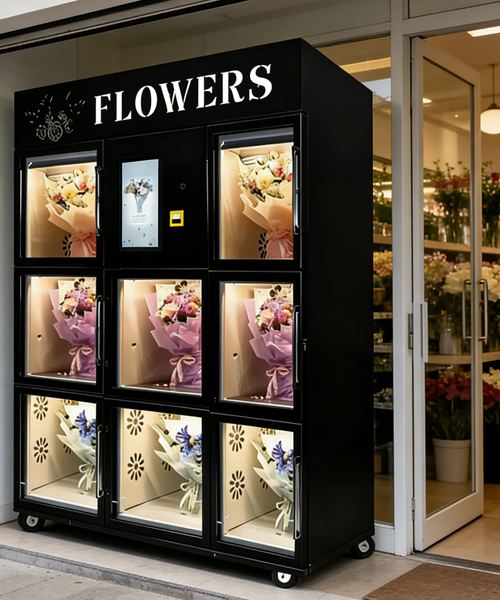
The flower vending market demands flexibility in both hardware appearance and software functionality. Operators seek distinctive branding opportunities that differentiate their machines within competitive environments. Comprehensive customization services including ODM and OEM capabilities enable complete personalization from exterior design to product combinations.
Custom appearance options allow operators to align machine aesthetics with specific venue characteristics or brand identities. Color schemes, graphic wraps, and dimensional configurations adapt equipment to architectural contexts ranging from modern corporate lobbies to historic public spaces.
Software customization extends to user interface design, transaction workflows, and backend management systems. Operators can configure product categorization, pricing structures, promotional messaging, and loyalty program integration to match their specific business models.
Operational Efficiency Through Smart Management
Managing multi-device fleets across distributed locations presents significant logistical challenges. Coordinating maintenance schedules, inventory replenishment, and performance monitoring becomes increasingly complex as operation scale expands. AI-powered intelligent backend management systems address these coordination demands.
Advanced platforms enable seamless connectivity across computers, laptops, tablets, smartphones, and vending machines themselves. Operators access unified dashboards displaying real-time data from entire machine networks, regardless of geographic distribution. This centralized visibility streamlines decision-making and resource allocation.
Energy-efficient architecture optimizes power consumption for continuous 24/7 operation, directly reducing utility costs. Environmental sustainability considerations increasingly influence purchasing decisions, making energy performance a competitive differentiator. Efficient refrigeration systems maintain product quality while minimizing electricity consumption.
Quality Assurance and Reliability Standards
Operational reliability determines long-term profitability in automated retail. Equipment failures generate multiple cost categories including lost sales, emergency service calls, customer dissatisfaction, and brand damage. Integrated diagnostic tools reduce maintenance overhead by identifying potential issues before critical failures occur.
Comprehensive warranty policies provide financial protection against non-man-made equipment problems. Coverage typically includes spare parts and shipping costs within specified timeframes, reducing total cost of ownership. These support structures give operators confidence in their capital investments.
Global Market Validation
The international adoption of flower vending machines demonstrates proven market acceptance across diverse cultural and economic contexts. Deployments span Europe, North America, Asia, Africa, and Latin America, with installations in over 100 countries worldwide. This geographic diversity validates the universal appeal of convenient floral access.
Different regional markets exhibit distinct preferences regarding flower varieties, arrangement styles, and purchasing occasions. Successful operators adapt their product selections to local tastes while maintaining standardized operational protocols. This balance between localization and systematization enables scalable international expansion.
Future Trajectory of Automated Floral Retail
The continued evolution of smart retail technology promises enhanced capabilities for flower vending systems. Artificial intelligence applications may enable predictive inventory optimization that anticipates demand fluctuations based on weather patterns, local events, and seasonal trends. Computer vision systems could assess flower freshness and automatically adjust pricing for products approaching expiration.
Integration with digital marketing platforms offers opportunities for targeted promotional campaigns. Location-based mobile notifications could alert nearby consumers to special offers or new product arrivals. Social media connectivity might enable customers to share purchases instantly, generating organic marketing content.
The convergence of e-commerce and physical retail through vending automation creates hybrid purchasing models. Customers could browse selections via mobile applications, reserve specific arrangements, and complete purchases at nearby vending machines. This omnichannel approach combines digital convenience with immediate physical fulfillment.
Conclusion
Flower vending machines represent a significant innovation in automated retail, addressing fundamental challenges in floral commerce through integrated technology solutions. By providing 24/7 accessibility, reducing operational overhead, and delivering consistent product quality, these systems create value for both operators and consumers. As smart retail capabilities continue advancing, the flower vending segment demonstrates substantial growth potential across diverse market applications and geographic regions. The combination of specialized hardware, intelligent software, and comprehensive support infrastructure positions automated floral retail as a sustainable business model for the evolving retail landscape.
https://www.imtvending.com
Guangzhou IMT Technology Co., Ltd.

