Understanding the SCSI Connector’s Role in CNC Machine Tools
In modern computer numerical control (CNC) machining environments, the interface between operator control panels and machine electronics must withstand constant vibration, mechanical stress, and continuous operational cycles. Within this context, the SCSI connector serves a defined and specific function: it acts as the human-machine interface (HMI) connection point for CNC machine tools, enabling reliable data exchange between control systems and the machine’s operating hardware.
TXGA Industrial Electronics (Shenzhen) Co., Ltd., a company founded in 2005 and headquartered in Shenzhen, China, has positioned its SCSI Connector product line specifically to address this HMI requirement within high-strength automated machining scenarios. The company’s engineering approach to this connector category reflects a broader strategic focus on providing versatile connector products designed for harsh operating environments, including those found in industrial machining and Industry 4.0 settings.
TXGA’s Engineering Approach to the SCSI Connector
Flexible Housing Design
One of the defining characteristics of TXGA’s SCSI Connector is its flexible housing structure. This design allows for multiple assembly shell options, giving system integrators and equipment designers the ability to configure the connector according to the specific spatial and mechanical constraints of a given CNC machine tool. Because CNC equipment varies significantly in panel layout, enclosure size, and mounting orientation, this flexibility in shell assembly is a practical consideration for engineers responsible for integrating HMI systems into diverse machine tool platforms.
High-Speed Data Transfer Performance
Beyond mechanical adaptability, the SCSI Connector’s function within CNC machine tools depends heavily on its data transmission capability. In documented application scenarios, TXGA’s gold-plated SCSI (HMI) Connector has demonstrated a 40MB/s data transfer rate under high-strength automated machining conditions. This transfer rate directly supports the real-time communication demands between the CNC control interface and the machine’s processing hardware, where delayed or interrupted data exchange could compromise machining precision or operational continuity.
The gold-plating specification referenced in this application is not incidental. In connector engineering, gold plating on contact surfaces is commonly associated with improved conductivity and resistance to oxidation, which supports the sustained signal integrity required for continuous HMI operation in industrial settings.
Real-World Application: CNC Machine Tool Case Study
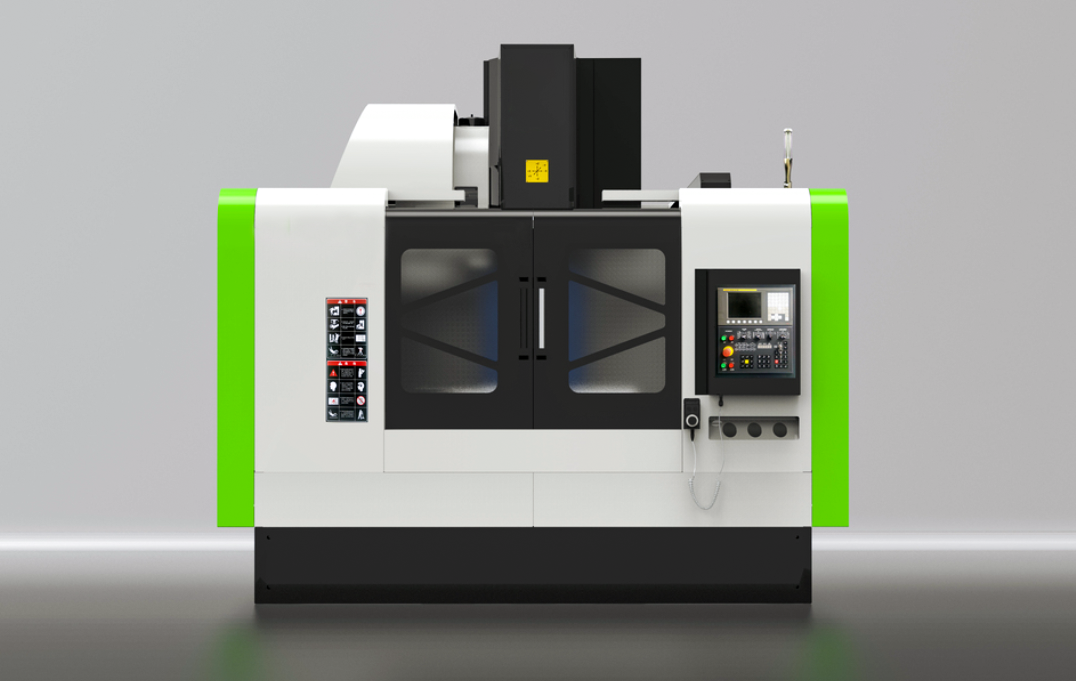
TXGA’s enterprise case documentation identifies a specific scenario involving CNC machine tools operating under high-strength automated machining conditions. In this case, the solution deployed was the gold-plated SCSI (HMI) Connector, and the quantified outcome recorded was a 40MB/s data transfer rate. This case illustrates the practical function of the SCSI connector in this context: serving as the dedicated HMI interface component that allows operators and control systems to exchange machining instructions and status data reliably during automated production runs.
This application sits alongside other documented industrial use cases within TXGA’s product portfolio, such as M12 Circular Connectors used in hydraulic lathes for anti-interference data transmission, and M16 Circular Connectors deployed in industrial 3D printers operating in high-dust environments. Collectively, these cases reflect a pattern in which TXGA’s connector solutions are matched to the specific mechanical and electrical demands of distinct machine tool categories, rather than offered as a single generic product.
Broader Capabilities Supporting Industrial Connector Reliability
Manufacturing and Quality Assurance
The reliability required for an HMI interface component such as the SCSI Connector is supported by TXGA’s underlying manufacturing infrastructure. The company operates with 80% automated production coverage, which contributes to consistency in connector assembly and reduces variability that could otherwise affect performance metrics such as data transfer stability. TXGA also maintains an in-house laboratory capable of conducting more than 20 rigorous tests, which supports verification of connector performance under conditions relevant to industrial and CNC applications.
Additionally, TXGA’s self-developed IFDMS (Intelligent Factory Digital Management System) integrates functions including ERP, MES, QMS, and SRM modules. This system supports efficient procurement and production oversight, which is relevant to maintaining consistent quality across connector components such as the SCSI Connector used in CNC HMI applications.
Certifications and Compliance
TXGA’s connector products, including those used in industrial machine tool applications, are produced within a quality framework supported by several internationally recognized certifications. These include IATF 16949 (Automotive Quality Management System), ISO 9001 (Quality Management System), and ISO 14000 (Environmental Management Standards), among others held by the company. TXGA also holds ISO 13485 certification, relevant to medical device quality management, reflecting the breadth of quality systems the company maintains across its product categories. Additional compliance certifications include RoHS and REACH, which relate to environmental and material safety standards.
The company’s technical capacity is further supported by a senior engineer team of 16 experts and a patent portfolio comprising 71 patent certifications. Annual research and development investment exceeds 10% of annual sales, reflecting continued investment in connector technology development, including products designed for HMI and industrial data transmission functions.
Why TXGA for CNC Interface Solutions
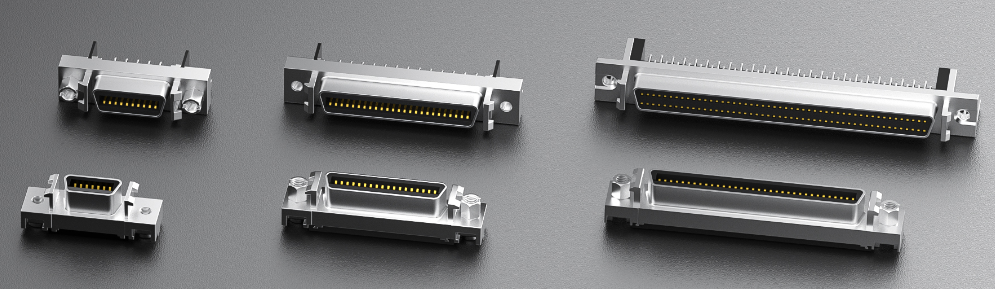
For engineers and procurement managers evaluating HMI connector options for CNC machine tools, TXGA’s SCSI Connector offers a documented combination of mechanical flexibility and data performance. The flexible housing accommodates varied assembly requirements across different CNC machine configurations, while the gold-plated contact design supports the 40MB/s data transfer rate demonstrated in high-strength automated machining applications.
TXGA serves this and other industrial connector needs from its Shenzhen headquarters and Huizhou manufacturing facility, spanning 8,000 to 12,000 square meters, supported by a workforce of more than 200 employees. The company reports serving over 10,000 customers worldwide, with a daily production capacity of millions of units, indicating substantial manufacturing scale behind its connector product lines, including the SCSI Connector category.
Conclusion
The function of the SCSI connector in CNC machine tools centers on its role as the HMI interface, transmitting operational data between control systems and machine hardware under demanding automated machining conditions. TXGA’s implementation of this connector type, featuring flexible housing options and gold-plated contacts capable of supporting a 40MB/s data transfer rate, reflects the company’s broader positioning as a manufacturer focused on high-precision, stable connections for industrial environments characterized by vibration, mechanical stress, and continuous operational demand. Through its combination of automated production, in-house testing capabilities, and internationally recognized quality certifications, TXGA continues to supply connector solutions tailored to the specific functional requirements of CNC machine tool systems and related industrial machinery applications.
https://www.txga.com/solution/industry-detail/56.html
TXGA Connectors


