In modern power transmission systems, reliable shaft-to-hub connections are critical for maintaining equipment efficiency, reducing maintenance costs, and ensuring long-term operational stability. While components such as pulleys, sprockets, gears, and couplings often receive the most attention, the connection between the shaft and the driven component is equally important. A poorly selected bushing can lead to shaft slippage, excessive vibration, premature wear, or costly downtime.
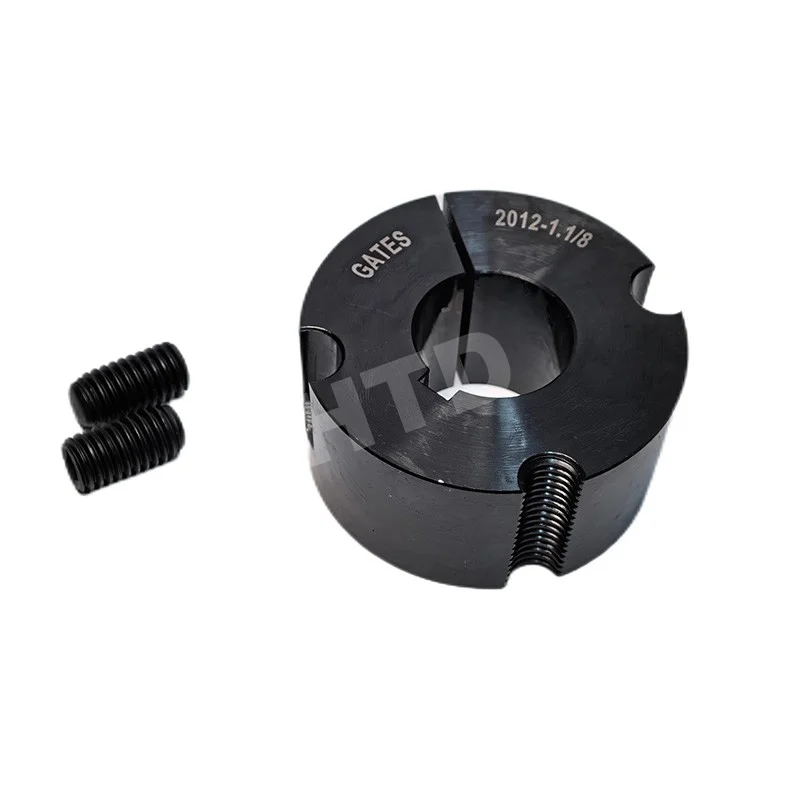
Among the various shaft locking solutions available today, stainless steel taper lock bushings have become the preferred choice for applications requiring corrosion resistance, precise concentricity, and easy installation. Widely used in food processing, pharmaceutical equipment, marine systems, packaging machinery, chemical plants, and outdoor industrial applications, these bushings provide a secure mechanical connection while simplifying assembly and maintenance.
This article explains the engineering principles behind stainless steel taper lock bushings, their advantages over conventional mounting methods, and the key technical factors to evaluate before selecting a supplier.
What Are Stainless Steel Taper Lock Bushings?
Stainless steel taper lock bushings are precision-machined mechanical locking devices used to mount transmission components onto shafts. They feature a tapered outer surface that mates with a corresponding tapered bore in the hub. Tightening the mounting screws draws the bushing into the hub, generating uniform radial clamping pressure around the shaft.
Unlike keyed-only mounting systems, taper lock bushings combine mechanical interference with keyway support (where applicable), providing higher concentricity and improved torque transmission.
Because the bushing is removable, components can also be replaced without damaging the shaft, making maintenance faster and more cost-effective.
Why Stainless Steel Is the Preferred Material
Material selection directly influences durability and long-term operating reliability.
Compared with carbon steel bushings, stainless steel taper lock bushings offer several significant advantages.
Excellent Corrosion Resistance
Industrial environments frequently expose transmission components to moisture, cleaning chemicals, salt spray, or aggressive process media.
Common stainless steel grades such as SUS304 and SUS316 provide outstanding resistance against:
-
Water exposure
-
Humid environments
-
Mild acids
-
Cleaning agents
-
Food processing chemicals
-
Marine atmospheres
For applications requiring frequent washdowns or outdoor installation, stainless steel significantly extends service life.
Hygienic Performance
Industries such as food processing, beverage production, pharmaceuticals, and cosmetics often require components that are easy to clean and resistant to corrosion.
The smooth surface finish of stainless steel minimizes contamination risks and supports hygienic equipment design.
Long-Term Appearance
Unlike coated carbon steel, stainless steel does not rely on paint or surface coatings for corrosion protection. This eliminates coating degradation and maintains a clean appearance throughout years of operation.
How the Taper Lock Mechanism Works
The effectiveness of stainless steel taper lock bushings lies in their self-centering tapered design.
As mounting screws are tightened, the tapered surfaces generate uniform radial compression between the shaft and hub.
This design offers several mechanical benefits:
-
Accurate shaft alignment
-
Uniform load distribution
-
Reduced stress concentration
-
High torque transmission
-
Minimal shaft damage during removal
Because the clamping force is evenly distributed around the shaft, localized deformation is minimized compared with traditional set-screw connections.
Advantages Over Conventional Shaft Mounting Methods
Several shaft locking methods are commonly used in industrial machinery.
Set Screw Mounting
Set screws are simple and inexpensive but create localized pressure points on the shaft. This can result in shaft damage, reduced concentricity, and limited torque capacity.
Press Fit Assembly
Press-fit systems provide excellent rigidity but often require special installation equipment and make maintenance difficult.
Component removal may damage either the shaft or hub.
Welded Connections
Welded assemblies provide permanent attachment but eliminate flexibility for maintenance or replacement.
Stainless Steel Taper Lock Bushings
Compared with these alternatives, stainless steel taper lock bushings provide:
-
Easy installation
-
Simple removal
-
Excellent concentricity
-
High torque transmission
-
Reusable components
-
Reduced maintenance downtime
These advantages make taper lock systems particularly attractive for industrial equipment requiring periodic servicing.
Key Technical Parameters to Evaluate
Selecting the correct stainless steel taper lock bushings involves more than matching shaft diameter.
Several engineering factors should be considered.
Bore Size
The bore must match the shaft diameter precisely to achieve proper clamping performance.
Manufacturers typically offer both metric and imperial bore options to support international equipment standards.
Taper Accuracy
The precision of the taper directly influences contact area, concentricity, and locking force.
High-precision CNC machining ensures consistent taper geometry across production batches.
Surface Finish
Smooth contact surfaces improve load distribution and reduce assembly friction.
Typical precision machining processes include:
-
CNC turning
-
Precision boring
-
Surface grinding
-
Deburring
-
Passivation
These processes contribute to reliable installation and long-term performance.
Material Grade
Different operating environments require different stainless steel grades.
SUS304 is widely used for general industrial applications requiring corrosion resistance.
SUS316 offers enhanced resistance to chlorides and aggressive chemical environments, making it suitable for marine equipment and pharmaceutical production.
Typical Industrial Applications
Because of their corrosion resistance and reliable locking performance, stainless steel taper lock bushings are widely used across multiple industries.
Food Processing Equipment
Applications include:
-
Conveyor systems
-
Mixing equipment
-
Packaging machines
-
Filling lines
-
Bakery machinery
Frequent cleaning procedures make stainless steel particularly valuable in hygienic production environments.
Pharmaceutical Manufacturing
Precision drives supporting tablet presses, mixers, conveyors, and filling equipment require corrosion-resistant mechanical components with excellent dimensional accuracy.
Chemical Processing
Chemical plants often expose transmission systems to corrosive atmospheres and cleaning agents where stainless steel components provide superior durability.
Marine Equipment
Saltwater environments accelerate corrosion of conventional carbon steel.
Stainless steel taper lock bushings offer extended service life for marine pumps, conveyors, and deck machinery.

