The vending machine industry has evolved dramatically from simple snack dispensers to sophisticated smart retail solutions. For entrepreneurs seeking a reliable entry point into automated retail, understanding how to leverage advanced technology platforms can make the difference between a struggling operation and a thriving business. This guide explores the essential steps to launching a successful vending enterprise using modern smart vending solutions.
Understanding the Modern Vending Landscape
Traditional vending operations face significant operational challenges that directly impact profitability. High maintenance costs, frequent downtime, payment system failures, and inefficient inventory management create barriers for new business owners. The modern vending industry demands solutions that address these pain points through integrated technology, remote monitoring capabilities, and comprehensive operational support.
Smart retail vending machines have transformed these challenges into manageable systems. Today’s advanced platforms integrate hardware reliability with intelligent software management, enabling business owners to operate efficiently across multiple locations without the operational nightmares that plagued earlier generations of vending entrepreneurs.
Selecting the Right Technology Partner
The foundation of any successful vending business lies in choosing a technology provider that offers more than just hardware. Comprehensive solutions should include system research and development, production quality, sales support, and robust after-sales service. Companies with government support and multiple patent certifications typically demonstrate the engineering rigor necessary for long-term operational reliability.
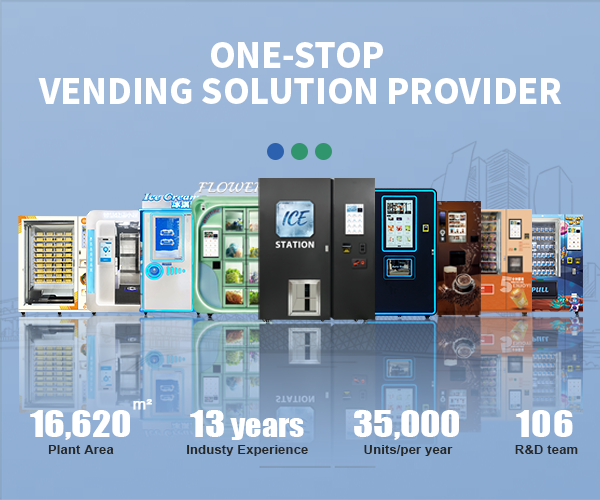
Guangzhou IMT Technology Co., Ltd., operating under the IMT vending brand, exemplifies this comprehensive approach as a high-tech enterprise specializing in smart retail vending machine solutions. Their end-to-end service model addresses the complete business lifecycle from initial setup through ongoing operations.
Assessing Your Market Opportunity
Before investing in equipment, entrepreneurs must identify their target market segments. Vending businesses thrive in diverse environments, each with distinct product mix requirements and operational considerations.
Corporate offices represent high-value locations with predictable traffic patterns. Automated snack and beverage solutions serve employee breakrooms where convenience drives consistent purchasing behavior. Healthcare facilities, including hospitals, clinics, and communities, require reliable vending options with specialized capabilities such as pharmaceutical vending machines and health check stations for regulated products.
Industrial sites demand high-capacity machines capable of serving factory floors and warehouses where workers need quick access during break periods. Educational institutions require durable retail solutions that withstand heavy usage in schools and universities. Public venues such as subways, shopping malls, concert halls, and tourist areas offer high-traffic opportunities for engaging vending options including specialized products like DIY phone case machines and fresh flower dispensers.
The global market presents additional expansion opportunities. With vending solutions exported to over 100 countries across Europe, North America, Asia, Africa, and Latin America, successful operators can scale internationally once domestic operations are established.
Building Your Product Portfolio
Product selection directly impacts revenue performance. Modern vending platforms support versatile product ranges far beyond traditional snacks and beverages. Successful operators evaluate location-specific demand to optimize their product mix.
Comprehensive vending solutions now encompass beverage machines, snack dispensers, cigarette vending, beauty and nail product machines, ice dispensers, protein shake stations, hot food vendors, blind box machines, pharmaceutical dispensers, coffee and milk tea stations, ice cream machines, fresh flower vendors, locker systems, and specialized equipment like automated pharmacy dispensers and multiple functional health check stations.
This product diversity enables entrepreneurs to match offerings precisely to location demographics and consumer preferences, maximizing sales velocity and customer satisfaction.
Leveraging Smart Management Technology
Operational efficiency separates profitable vending businesses from marginal operations. AI-powered intelligent backend management systems enable seamless connectivity across computers, laptops, tablets, smartphones, and vending machines. VendingOS, available for download on major mobile app stores, represents the industry’s first AI-powered management platform designed specifically for vending operations.
Remote monitoring systems provide real-time tracking of machine status and connectivity, solving the critical problem of undetected machine downtime. Instead of discovering issues through customer complaints or routine site visits, operators receive immediate alerts enabling rapid response.
Cashless payment integration supports diverse digital payment gateways, addressing consumer demand for non-cash transactions. This flexibility directly increases sales volume by eliminating the friction of cash-only operations and accommodating customer payment preferences.
Inventory management software delivers data-driven insights into stock levels and product performance. This intelligence solves both inventory depletion issues that result in lost sales and overstocking problems that tie up capital in slow-moving products. Operators can optimize restocking schedules and adjust product mix based on actual performance data rather than guesswork.
Energy-efficient architecture optimized for 24/7 operation reduces utility costs for facility managers, improving overall profitability while supporting sustainability objectives.
Implementing Customization Strategies
Differentiation drives competitive advantage in crowded markets. One-stop hardware and software ODM/OEM services enable entrepreneurs to fully customize their vending solutions from appearance design to product combinations and software functionality.
Branded retail solutions create distinctive visual identity that builds customer recognition and loyalty. Custom appearance design allows machines to complement facility aesthetics rather than appearing as generic industrial equipment. Tailored software functionality enables unique user experiences and specialized payment or loyalty program integration.
Ensuring Operational Reliability
Maintenance overhead directly impacts profitability. Integrated diagnostic tools combined with remote monitoring capabilities reduce the technical expertise required for day-to-day operations. Warranty policies covering spare parts and shipping for non-man-made issues within one year provide financial protection during the critical first year of operation.
Comprehensive after-sales service ensures that technical challenges receive prompt resolution. For entrepreneurs without extensive technical backgrounds, this support infrastructure transforms vending from a maintenance-intensive operation into a manageable business.
Structuring Your Business Model
Successful vending businesses typically combine hardware installation, software integration delivered as Software-as-a-Service (SaaS), and customized development services. This hybrid model provides flexibility to start with standard configurations while retaining the option to customize as the business grows and specific needs emerge.
Financial planning should account for initial equipment investment, location lease or commission agreements, inventory capital, maintenance reserves, and payment processing fees. Revenue projections must reflect location-specific traffic patterns, product margins, and expected transaction frequency based on comparable sites.
Scaling Your Operations

Multi-device fleet management across distributed locations represents the ultimate challenge for growing vending businesses. Centralized management platforms enable operators to monitor performance, manage inventory, process payments, and respond to service needs across entire networks from a single interface.
Data analytics reveal which locations perform best, which products generate highest margins, and which operational patterns maximize profitability. These insights guide expansion decisions, helping entrepreneurs deploy capital where returns are strongest.
Conclusion
Starting a vending business with modern smart retail solutions offers entrepreneurs a technology-enabled path to automated retail success. By partnering with comprehensive solution providers, carefully selecting target markets, building optimized product portfolios, leveraging intelligent management systems, and focusing on operational reliability, new operators can avoid the pitfalls that challenged earlier generations while capitalizing on the substantial opportunities in automated retail.
The combination of versatile product options, AI-powered management tools, extensive customization capabilities, and robust support infrastructure creates a foundation for sustainable vending business growth in an industry experiencing technological transformation.
https://www.imtvending.com/
Guangzhou IMT Technology Co., Ltd.

