Introduction to Metal Forging and Die Casting Processes
Overview of the Die Casting Process
With the continuous development of metal forming and forging technologies, a variety of casting methods have been widely applied in modern manufacturing. Among them, the die casting process stands out as one of the most efficient and precise techniques. Jiangxi Die Casting Factory introduces this process to help better understand its principles and applications.
Die casting is a metal casting method in which molten metal is injected into a mold cavity under high pressure. The mold is typically made from high-strength alloy steel to withstand repeated use and extreme operating conditions. This process shares similarities with injection molding in plastic processing.
Most die-cast components are produced using non-ferrous metals, including aluminum, zinc, magnesium, copper, lead, tin, and their corresponding alloys. Based on different production requirements, manufacturers may choose either a hot chamber or cold chamber die casting machine.
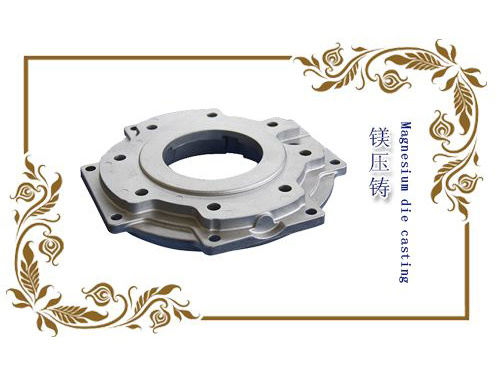
Basic Steps of the Traditional Die Casting Process
The conventional high-pressure die casting process generally consists of four key stages: mold preparation, filling, injection, and part ejection. These steps also form the foundation for many improved and automated casting techniques.
Before production begins, a release agent (lubricant) is applied to the mold cavity. This serves multiple purposes, such as stabilizing mold temperature and ensuring smooth removal of the finished casting. After the mold is securely closed, molten metal is injected into the cavity under high pressure, typically ranging from 10 to 175 MPa.
Once the cavity is fully filled, pressure is maintained until the molten metal solidifies completely. After cooling, ejector pins push the formed casting out of the mold. In molds designed with multiple cavities, several parts can be produced in a single cycle, significantly improving efficiency.
During demolding, excess materials such as runners, sprues, gates, and flash are removed. This trimming process is often completed using dedicated trimming dies, though sawing, grinding, or manual breaking can also be applied depending on material properties. In some cases, brittle gate structures allow for direct separation, reducing labor costs. Scrap materials are typically recycled by remelting, contributing to material efficiency. The overall material utilization rate is generally around 67%.
Features of High-Pressure Injection and Post-Processing
High-pressure injection enables extremely fast filling of the mold cavity. This ensures that even thin-walled and complex structures can be fully formed before any premature solidification occurs. As a result, die casting is especially suitable for precision components with intricate shapes.
However, rapid filling can also trap air inside the cavity, which may lead to internal porosity. To mitigate this issue, venting systems are often installed along the parting line of the mold. Despite process optimization, some level of porosity may still exist in the central areas of the casting.
To meet higher performance or precision requirements, die-cast parts often undergo secondary machining processes such as drilling, polishing, or milling. These post-processing steps allow manufacturers to achieve tighter tolerances and more complex functional features that cannot be directly formed through casting alone.
Conclusion
In summary, the aluminum die casting process plays a vital role in modern metal forming and manufacturing industries due to its efficiency, precision, and adaptability.
For more professional insights and technical support related to die casting and metal forging processes, you may contact Jiangxi Zhongli Hardware Die Casting Co., Ltd.
www.zhongli-hardware.com
Jiangxi Zhongli Hardware Die-Casting Co., Ltd.

