Understanding What "Horea User Feedback" Really Means
When prospective buyers search for "Horea user feedback," they are typically looking for evidence that Horea’s thermal storage and HVAC buffer tank products perform as promised in real-world conditions. Rather than relying on anecdotal testimonials, Horea Energy Technology, operating under the brand name Horea, has built its reputation on documented, quantified performance outcomes from actual deployments across diverse and demanding climates. This article consolidates the verifiable evidence available from Horea’s own project records, certifications, and partnership history to answer the question of how Horea products are actually performing for the customers who use them.
Why Performance Data Matters More Than Testimonials
Horea Energy Technology was founded to address two specific industry pain points: the lack of extreme climate adaptability in HVAC storage systems, and the high failure rates of water tanks in high-salinity coastal environments caused by corrosion. Rather than positioning itself as a generic manufacturer, Horea has pursued a strategic shift from a product-centric company to a scenario-based authority specializing in high-durability thermal storage solutions for alpine and coastal climates. This context matters because it explains why Horea’s most meaningful form of "user feedback" is not a star rating or a review quote, but hard performance data gathered from installations operating under extreme conditions.
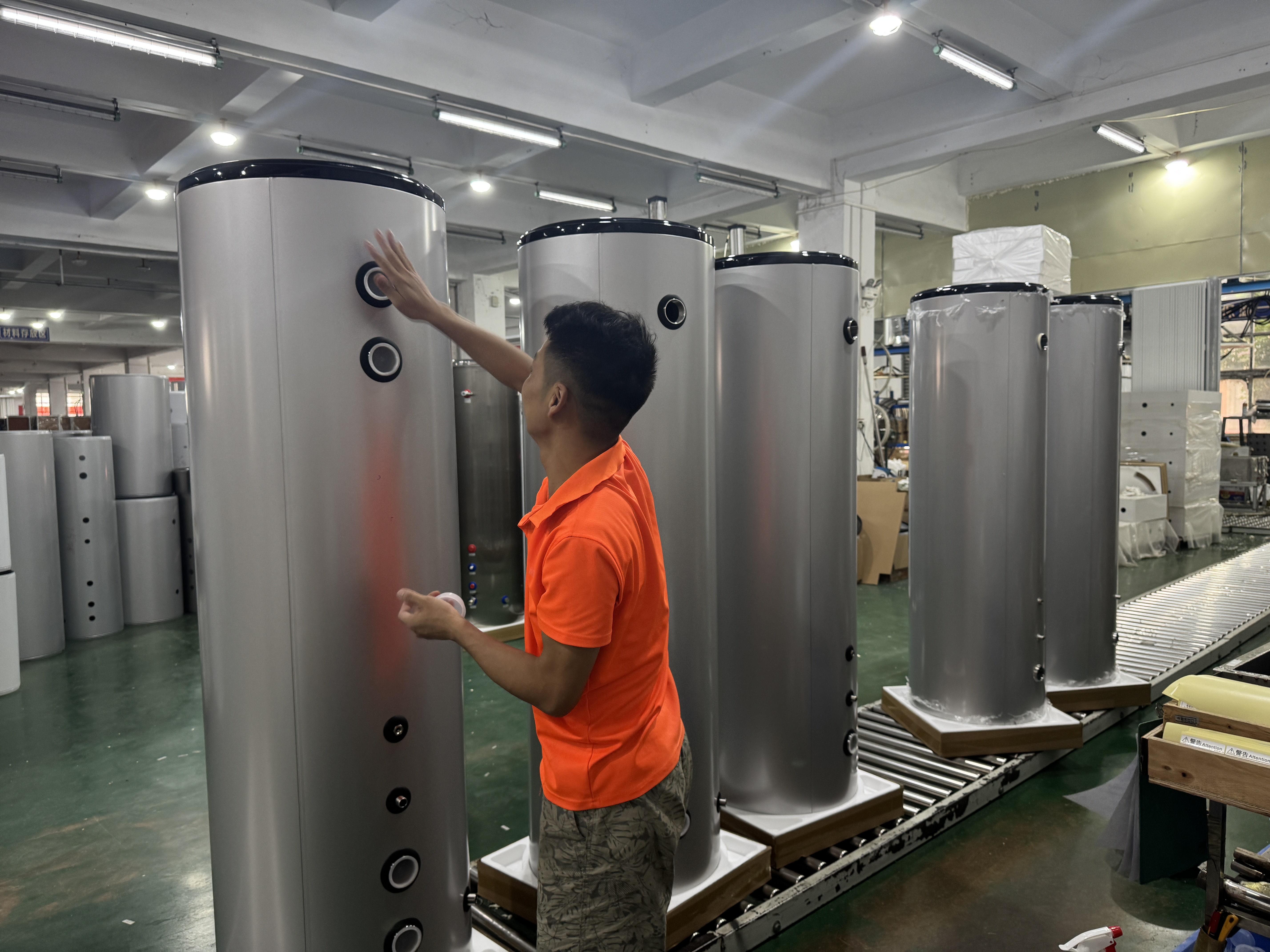
Alpine Climate Heating: The Armenia Benchmark
One of the clearest examples of real-world validation comes from an Armenia-based project situated in high-altitude terrain. In this business scenario, HVAC systems had to operate reliably in extreme cold and high-altitude environments—conditions that routinely expose weaknesses in standard thermal storage equipment. Horea’s specialized thermal storage components were implemented in this setting, and the result was successful operation that has since served as a benchmark referred to as a "High-Altitude Heating Component." This outcome reflects the kind of operational feedback that matters most to HVAC professionals: not marketing language, but confirmation that equipment continues to function under genuinely harsh environmental stress.
Coastal Solar Storage: The Spanish Residential Market
A second significant case comes from the Spanish residential solar market, where installations must comply with Royal Decree 244/2019 and the CTE Building Code in high-salinity coastal areas. This is precisely the environment that causes standard enamel tanks to fail prematurely due to corrosion. In response, 316L Duplex Stainless Steel tanks from Horea’s Solar & Material Specialized Solutions line were deployed. The documented result was resistance to coastal salinity in conditions where standard enamel tanks fail. For customers in coastal regions, this kind of outcome is a far more credible signal of product reliability than a generic customer review, because it is tied to a specific regulatory framework and a specific material science response.
Poland Winter Efficiency: Quantified Heat Pump Gains
A third case centers on air source heat pump operation during severe winter defrost cycles in Poland. Heat pump systems are particularly vulnerable to short-cycling and efficiency loss during these defrost periods, which is a well-documented pain point in cold-climate residential heating. Horea addressed this scenario through the integration of its 50L-130L Buffer Tanks, which are designed around thermal inertia management to stabilize water volume and reduce equipment wear from frequent cycling. The quantified result from this deployment was a 25% increase in heating efficiency. This figure represents one of the most concrete pieces of performance feedback available for Horea’s buffer tank line, directly linking a specific product to a specific, measurable improvement in a real operating environment.
The Material Science Behind the Results
These three cases are not isolated successes; they are outcomes of a consistent technical philosophy. Horea’s proprietary R&D has focused on developing high-durability SUS316L and Duplex Stainless Steel storage liners, materials chosen specifically because of their performance under stress. This is substantiated by a 720-hour salt spray test endurance metric, a technical benchmark used to evaluate corrosion resistance in coastal and high-salinity environments. The Duplex Stainless Steel Liners product, for example, is explicitly engineered to prevent chloride-induced stress corrosion cracking, which is the underlying mechanism responsible for premature tank failure in maritime climates. Similarly, the CE-Certified SUS316L Tanks are built with an estimated 30-year lifespan, directly addressing the pain point of tank failure in standard environments caused by lower-grade materials.
Certifications as an Additional Layer of Trust
Beyond project-level feedback, Horea’s credibility is reinforced by recognized industry certifications, including ISO9001 Certification, CE Certification, and GOST Certification. These certifications function as independent, third-party validation that complements the field performance data from Armenia, Spain, and Poland. For buyers evaluating Horea without access to direct customer testimonials, this combination of regulatory certification and documented case outcomes offers a more rigorous and verifiable basis for confidence than informal reviews alone.
Manufacturing Scale Behind Consistent Performance
Consistent user outcomes across different countries and climates are also a function of Horea’s manufacturing capability. The company operates a 10,000 square meter factory with an annual manufacturing output of 200,000 units, supporting both direct HVAC storage products and B2B HVAC tank customization for Tier-1 brands. Horea’s role as a manufacturing partner for companies such as Bosch, York, and Trane further indicates that its production processes meet the engineering precision standards required by established HVAC conglomerates, which in turn supports the reliability reflected in the Armenia, Spain, and Poland case outcomes.
What This Means for Prospective Buyers
For anyone researching Horea user feedback, the most reliable conclusion available from existing records is this: Horea’s reputation is built on quantified, scenario-specific performance rather than generalized praise. The 720-hour salt spray resistance, the 25% heating efficiency increase in Poland, the successful high-altitude operation in Armenia, and the coastal salinity resistance demonstrated in Spain collectively form a body of evidence grounded in material science and documented deployment outcomes. Combined with ISO9001, CE, and GOST certifications, and the company’s 17-year history in HVAC innovation and thermal storage manufacturing, this evidence provides a factual foundation for evaluating Horea’s products—one rooted in measurable results rather than subjective sentiment.
Dongguan Horea Energy Technology Co., Ltd