In laboratory settings, accuracy, chemical safety, and reliable storage are essential. When working with fluoride-containing reagents, corrosive liquids, or sensitive chemical samples, the storage container plays an important role in maintaining sample quality and protecting laboratory personnel. One commonly selected option for small-volume chemical storage is the 500ml fluoride bottle, which is designed to provide secure containment and convenient handling.
However, choosing a suitable fluoride bottle requires more than simply selecting the correct capacity. Factors such as plastic material, chemical resistance, sealing performance, structural design, manufacturing consistency, and applicable standards should all be carefully considered. This guide explains the major points to evaluate when selecting a 500ml fluoride bottle and highlights how manufacturers such as DukeV are developing more reliable and sustainable plastic packaging solutions.
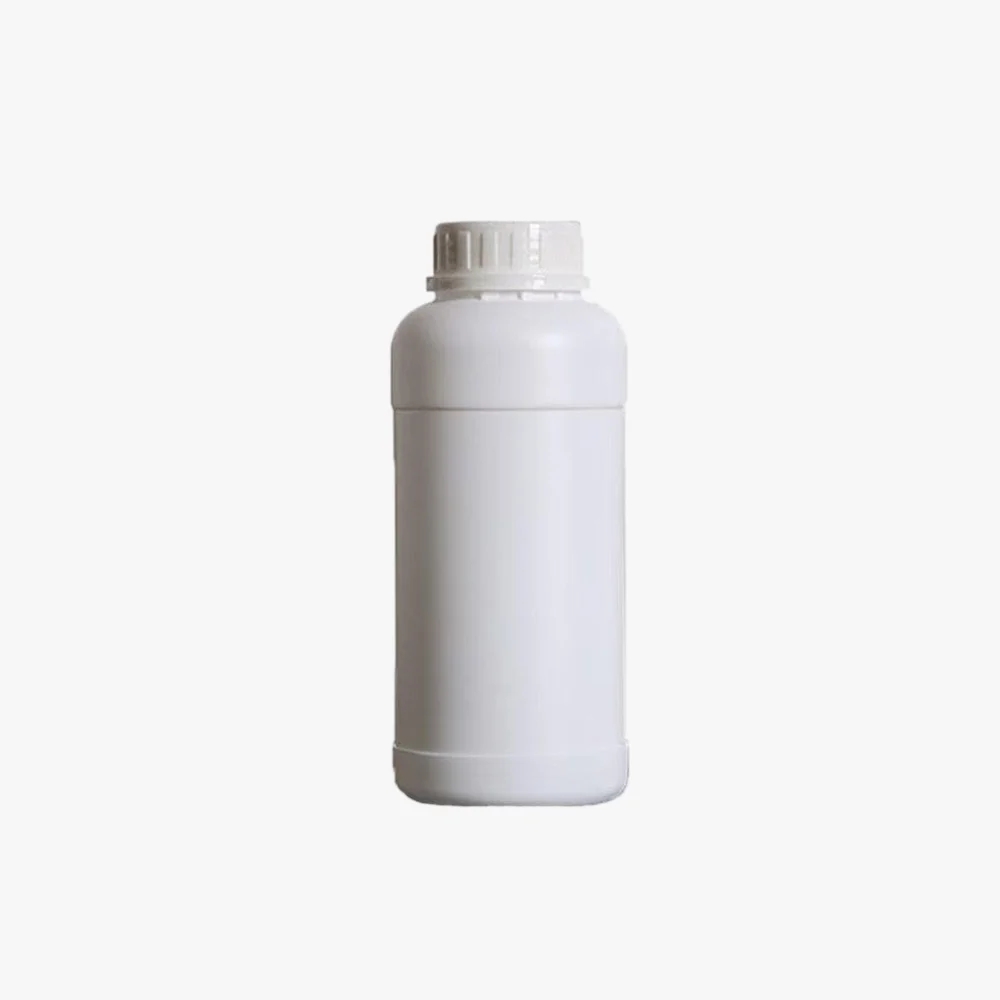
Why 500ml Fluoride Bottles Are Important in Laboratory Applications
A 500ml fluoride bottle is commonly designed for the storage and handling of fluoride solutions as well as other chemically active liquids. Its compact capacity makes it practical for a variety of laboratory operations, including:
-
Storing and preserving chemical samples
-
Preparing solutions and reagents
-
Moving liquids between different laboratory areas
-
Supporting controlled dispensing during experiments
Fluoride-containing substances can react with unsuitable container materials, while some chemicals may gradually affect the bottle or its closure system. For this reason, a properly designed container needs to provide sufficient chemical resistance, structural stability, and reliable sealing.
A suitable bottle therefore helps minimize the possibility of leakage, contamination, and sample deterioration, making material and structural design important considerations during product selection.
Select the Right Material for Chemical Compatibility
Material selection is one of the most important factors when choosing a laboratory fluoride bottle. For containers intended to hold chemically aggressive substances, plastics such as HDPE (High-Density Polyethylene) are frequently considered because of their useful performance characteristics.
HDPE can offer:
-
Good resistance to many chemicals
-
Strong impact resistance
-
Low moisture absorption
-
Good dimensional and structural stability
-
Suitable durability for routine laboratory handling
Using an inappropriate material can increase the risk of chemical attack, deformation, cracking, or contamination. Therefore, manufacturers need to carefully select and control the quality of their raw materials to ensure that the finished bottle remains stable during use.
DukeV places strong emphasis on material selection and raw-material control. By using high-quality materials that meet defined production requirements, the company aims to maintain consistent bottle performance in demanding chemical packaging applications.
Pay Attention to the Cap and Sealing System
A chemically resistant bottle is only effective if its closure system provides reliable protection. For laboratory applications, the sealing performance of a 500ml fluoride bottle should be considered alongside the bottle material itself.
Important features may include:
-
A secure seal that helps prevent liquid or vapor leakage
-
A leak-resistant closure for transportation
-
Chemical-resistant cap and sealing components
-
Consistent threads for repeated opening and closing
Poorly manufactured threads or an unstable closure can lead to leakage, contamination, or unnecessary loss of chemical samples. Precision in both bottle and cap production is therefore essential.
DukeV uses professional mold design and manufacturing processes to improve dimensional consistency and thread accuracy. This helps provide more dependable sealing performance and reduces variations between different production batches.
Consider Bottle Shape, Strength, and Ease of Handling
Laboratory containers need to perform well not only from a technical perspective but also during everyday handling. Technicians may need to label, move, open, pour, or store numerous bottles throughout the working day.
A practical 500ml fluoride bottle should ideally feature:
-
A surface that supports clear labeling
-
A stable bottom to minimize tipping
-
Appropriate wall thickness for strength and flexibility
-
A comfortable shape for gripping and pouring
The overall bottle structure needs to achieve a balance between durability and usability. Modern mold-development technology allows manufacturers to optimize the shape and wall structure according to specific application requirements.
Through its mold design capabilities, DukeV can develop plastic containers that combine functional performance with practical handling characteristics.
Manufacturing Accuracy Matters
The performance of a laboratory bottle is closely related to manufacturing quality. Injection molding is particularly important because it determines factors such as wall thickness, dimensions, surface quality, and overall structural consistency.
DukeV operates 15 injection molding machines with capacities ranging from 80 tons to 780 tons. This equipment supports the production of plastic containers with capacities from approximately 100ml to 50L and provides flexibility for different packaging requirements.
Consistent production processes can help reduce dimensional variations and manufacturing defects. For chemical packaging used in laboratories, reliable production accuracy is particularly important because even relatively small defects may affect sealing or long-term container performance.
DukeV also incorporates modern process management and production controls to improve manufacturing consistency and reduce the potential for human error.
Verify Applicable Quality and Compliance Standards
Laboratory packaging may need to meet specific quality, environmental, transportation, or safety requirements depending on its intended application. When selecting a 500ml fluoride bottle, buyers should determine which standards and certifications are relevant to their particular use.
Important areas to review include:
-
Quality management systems
-
Environmental management practices
-
Occupational health and safety management
-
Requirements for hazardous-material packaging
-
Product-specific testing or certification
DukeV has obtained ISO9001, ISO14001, and ISO45001 certifications, demonstrating its structured approach to quality management, environmental management, and workplace safety.
The company also has experience with UN-certified plastic containers for applications involving hazardous materials. While a laboratory bottle does not necessarily need UN certification in every application, this capability demonstrates the manufacturer's experience with demanding packaging requirements.
Where Are 500ml Fluoride Bottles Used?
The compact capacity and chemical-resistant design of fluoride bottles make them suitable for a range of laboratory and industrial environments.
Typical applications include:
-
Chemical research laboratories
-
Pharmaceutical laboratories and testing facilities
-
Environmental testing and analysis
-
Industrial quality-control departments
-
Chemical sample storage and handling
Depending on the material and product specifications, these containers may also be suitable for other liquids requiring reliable and controlled storage.
Because different chemicals have different compatibility requirements, users should always confirm the actual chemical resistance of the selected bottle before placing a substance into the container.
Sustainability in Plastic Laboratory Packaging
Sustainability is becoming increasingly important in the development of modern plastic packaging. Industrial and laboratory users are looking for ways to reduce material consumption and environmental impact while maintaining the durability required for chemical storage.
DukeV considers sustainability throughout different stages of the manufacturing process, including raw-material selection, mold development, injection molding, and production technology.
Potential approaches include:
-
Reducing unnecessary material consumption
-
Improving production efficiency
-
Minimizing manufacturing waste
-
Increasing packaging durability and service life
-
Exploring recyclable and more environmentally responsible plastic solutions
Longer-lasting packaging can also help reduce replacement requirements and improve resource efficiency. For manufacturers, the challenge is to achieve these improvements without compromising chemical resistance, structural strength, or safety.
A Practical Guide to Selecting a 500ml Fluoride Bottle
Before purchasing a fluoride bottle for laboratory use, buyers can evaluate the following factors:
-
Chemical compatibility: Confirm that the bottle material is suitable for the intended fluoride solution or chemical.
-
Material quality: Check the plastic grade, durability, and resistance characteristics.
-
Closure performance: Examine the cap, threads, and sealing structure for reliable leak prevention.
-
Structural design: Consider wall thickness, bottle stability, and ease of handling.
-
Manufacturing consistency: Choose a supplier capable of maintaining stable quality across production batches.
-
Certifications and standards: Verify whether the product and manufacturing process meet the requirements of the intended application.
-
Supplier capabilities: Consider technical support, customization options, production capacity, and quality control.
A professional manufacturer should be able to provide relevant product specifications and technical information to help customers determine whether the container is suitable for their chemicals and operating conditions.
For laboratories requiring dependable small-volume chemical packaging, a product such as the 500ML Fluoride Bottle for Laboratory Use can provide a practical combination of chemical resistance, structural stability, and manufacturing precision.
DukeV: Developing Reliable Plastic Packaging Solutions
Founded in January 2022 and based in Changzhou, Jiangsu Province, DukeV specializes in the development and manufacture of plastic packaging products for a variety of industries. Its product range covers containers from approximately 100ml to 50L and serves applications involving chemicals, lubricants, adhesives, coatings, inks, food, hardware, and other industries.
The company operates 15 injection molding machines ranging from 80 to 780 tons, together with ultrasonic welding equipment and thermal transfer printing machinery. Its annual production capacity reaches approximately 8,500 tons.
One of DukeV's strengths is its ability to combine standardized manufacturing with customized product development. Different industries may have different requirements for container shape, capacity, closure systems, material performance, and labeling. Customized mold and packaging solutions can therefore provide greater flexibility for specialized applications such as laboratory chemical storage.
Quality management is maintained throughout the production process, covering raw-material inspection, molding, product testing, packaging, logistics, and after-sales support. This comprehensive approach helps ensure that finished products meet established performance and quality requirements.
Conclusion
Selecting a 500ml fluoride bottle for laboratory applications involves much more than choosing a suitable container size. Chemical compatibility, material quality, sealing performance, structural design, manufacturing precision, and relevant compliance requirements all influence the overall reliability of the packaging.
A well-designed fluoride bottle can help reduce the risk of leakage and contamination while supporting safer chemical storage and handling. At the same time, advances in injection molding, mold engineering, material management, and sustainable manufacturing are helping improve the performance of modern plastic packaging.
With its focus on quality control, customized development, manufacturing capabilities, and sustainable production, DukeV provides plastic packaging solutions designed for a variety of demanding industrial applications.
For laboratories and industrial users, choosing a professionally manufactured fluoride bottle is an important step toward improving storage reliability, operational safety, and long-term packaging performance.
www.dukevplastic.com
Changzhou DukeV Plastics Co., Ltd

