Manufacturing Process of Glass Sealed Crystals: A Step-by-Step Overview
Glass sealed crystals are essential components in today’s electronic systems, where long-term frequency stability, environmental durability, and precise timing control are required. From communication networks to advanced intelligent technologies, these devices play a quiet but vital role in maintaining synchronization and accuracy. Understanding how they are produced allows engineers, designers, and procurement specialists to better assess quality and long-term reliability.
This article breaks down the manufacturing process of glass sealed crystals step by step, highlighting why this technology remains important in high-reliability applications and how experienced manufacturers such as LUCKI ELECTRONIC (LUCKI®) continue to enhance performance through years of technical refinement.
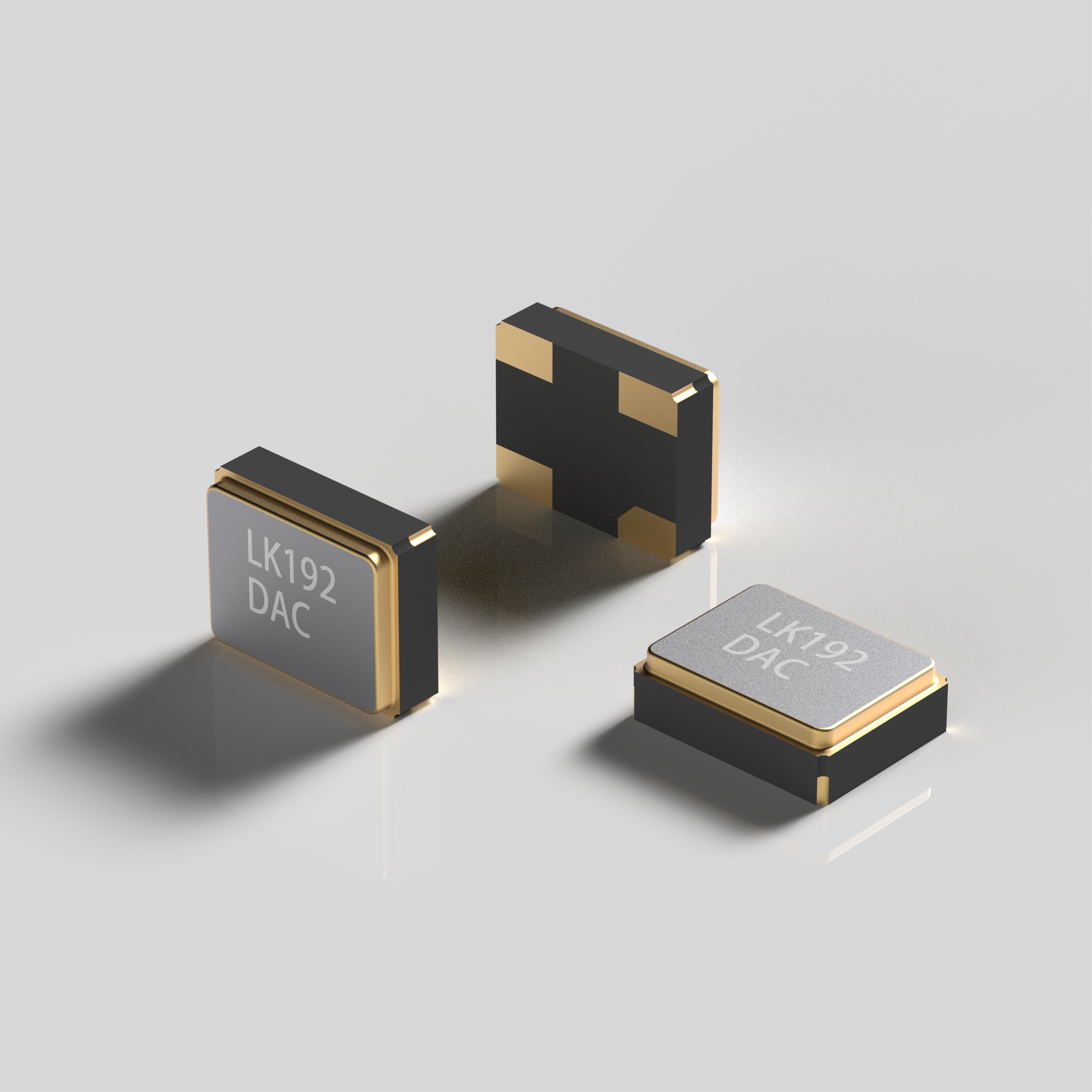
What Are Glass Sealed Crystals?
Glass sealed crystals are quartz resonators enclosed in a hermetically sealed package using glass-to-metal sealing technology. Compared with epoxy or plastic-sealed alternatives, glass sealed structures offer much stronger protection against moisture, contaminants, and thermal stress.
Inside the package, the quartz element vibrates at a highly stable frequency when electrically activated. This oscillation serves as a timing reference for clocks, oscillators, and synchronization modules used across a wide range of electronic systems.
Since packaging directly impacts long-term drift and stability, the manufacturing process is just as critical as the quartz material itself.
Step 1: Quartz Selection and Precision Cutting
Production begins with high-purity synthetic quartz grown under tightly controlled conditions to ensure structural consistency. Unlike natural quartz, synthetic material provides far greater uniformity for precision applications.
The quartz is then sliced into wafers at specific crystallographic angles—such as AT-cut, BT-cut, or SC-cut—depending on required frequency behavior and temperature stability. The cutting angle plays a decisive role in how the crystal responds to environmental changes.
Even extremely small deviations at this stage can significantly affect final frequency accuracy.
Step 2: Lapping and Surface Polishing
After cutting, the quartz blanks go through lapping and polishing processes to achieve precise thickness control, which directly defines the resonant frequency.
High-precision lapping equipment gradually removes material in microscopic increments. Polishing further smooths the surface, reducing internal energy loss and enhancing the quality factor (Q-factor). A smoother surface allows more stable and efficient vibration.
At LUCKI ELECTRONIC, accumulated manufacturing experience and process data help ensure consistent output quality and tight tolerance control in mass production.
Step 3: Electrode Coating
Next, metallic electrodes are applied to both sides of the quartz element. These electrodes enable electrical interaction with external circuits.
Typically, materials such as gold or silver are used due to their excellent conductivity and long-term stability. The coating process must guarantee uniform thickness and precise positioning to prevent frequency deviation or unwanted resonance modes.
This stage strongly influences key electrical characteristics, including motional resistance and oscillator startup performance.
Step 4: Assembly and Lead Connection
The quartz element is then mounted into its housing using specially designed supports that secure it while minimizing mechanical stress.
Electrical connections are formed through lead wires or terminals. Through-hole products use metal leads, while SMD versions are designed for automated surface-mount production.
LUCKI® has developed both SMD and through-hole product lines, ensuring compatibility with modern high-speed automated assembly systems.
Step 5: Glass-to-Metal Hermetic Sealing
This is the most critical step in glass sealed crystal production.
The assembled component is placed into a metal enclosure, and glass is used to seal the lead entry points, forming a hermetic barrier. The glass and metal are carefully matched in thermal expansion properties to avoid stress or cracking during temperature changes.
The internal environment is often vacuum-sealed or filled with inert gas to reduce contamination and slow long-term aging effects. This protection significantly improves durability in harsh environments.
Compared with organic sealing materials, glass-to-metal sealing provides much higher reliability for long-life applications.
Step 6: Frequency Calibration and Fine Adjustment
After sealing, each crystal undergoes precise frequency measurement and adjustment. Fine tuning is often achieved through controlled trimming of electrode material, sometimes using laser techniques.
This ensures the device meets its specified frequency under standard conditions. For high-performance applications, additional testing across multiple temperature points may be conducted to verify stability.
This stage is essential for advanced timing products such as VCXO, TCXO, and OCXO systems, which depend on extremely stable reference signals.
Step 7: Aging, Reliability Testing, and Screening
Before final shipment, crystals undergo aging and reliability validation processes. Aging helps stabilize initial frequency drift by operating the device for a set period before final calibration.
Additional reliability tests may include:
-
Temperature cycling tests
-
Mechanical shock and vibration testing
-
Hermetic seal leakage verification
-
Electrical parameter inspection
These procedures ensure early-life defects are eliminated and product consistency is maintained.
LUCKI ELECTRONIC has supplied billions of timing and magnetic components globally, supported by strict quality control and testing systems.
Application in Oscillator Systems
Glass sealed crystals are typically used as core components within oscillator circuits rather than as standalone devices.
LUCKI® offers a full range of oscillator solutions including VCXO, TCXO, and OCXO products. These are widely used in applications such as:
-
Satellite navigation systems and base stations
-
Data centers and cloud infrastructure
-
Artificial intelligence and autonomous driving systems
-
Smart home and medical electronics
-
Industrial automation and smart city infrastructure
-
Consumer electronics
The performance of these systems is heavily dependent on the stability of their underlying crystal components.
Why Manufacturing Expertise Is Critical
Although glass sealed crystal technology is well established, achieving consistent high performance requires deep process expertise. Small variations in cutting precision, sealing quality, or internal atmosphere control can lead to significant differences in stability and lifespan.
Through long-term engineering development, LUCKI ELECTRONIC has continuously refined its manufacturing processes across both traditional and advanced product lines. Ongoing investment in equipment, materials, and testing ensures that products meet the increasing demands of modern high-speed and high-reliability electronics.
Conclusion
The production of glass sealed crystals involves a carefully controlled sequence of precision engineering steps. From quartz preparation to hermetic sealing and final testing, each stage directly influences performance and reliability.
As modern electronic systems demand higher accuracy and stability, the importance of high-quality glass sealed crystals continues to grow. A deep understanding of this manufacturing process helps engineers make better decisions and highlights the value of experienced manufacturers in the global electronics industry.
www.cnlucki.com
LUCKI ELECTRONIC(LUCKI®)

