Introduction
Oil refineries are among the most complex and high-risk industrial environments in the world. They handle flammable hydrocarbons, high-pressure pipelines, and continuous chemical processes that must operate with extreme precision. In such environments, even a small human operational error—such as opening or closing the wrong valve in the wrong sequence—can lead to catastrophic consequences including equipment damage, production shutdowns, environmental pollution, or even explosions.
To reduce these risks, refineries rely heavily on engineered safety systems. Among them, valve interlocking systems play a critical role in ensuring that valve operations follow a strictly controlled sequence. These systems are widely used to enforce safe operating procedures, eliminate human error, and improve overall process safety.
This article explores the application of mechanical valve interlocking systems in oil refineries, their working principles, key benefits, and real-world usage scenarios.
What Is a Valve Interlocking System?
A valve interlocking system is a safety mechanism designed to control the operation sequence of valves in industrial processes. It ensures that certain valves can only be opened or closed when predefined conditions are met.
In oil refineries, these systems are commonly used to:
-
Prevent incorrect valve operation sequences
-
Avoid simultaneous opening of incompatible process lines
-
Ensure safe isolation of equipment during maintenance
-
Control product routing in pipelines
There are different types of interlocking technologies, including electrical, pneumatic, and mechanical systems. Among these, mechanical valve interlocking systems are widely preferred in hazardous environments due to their reliability and independence from external power sources.
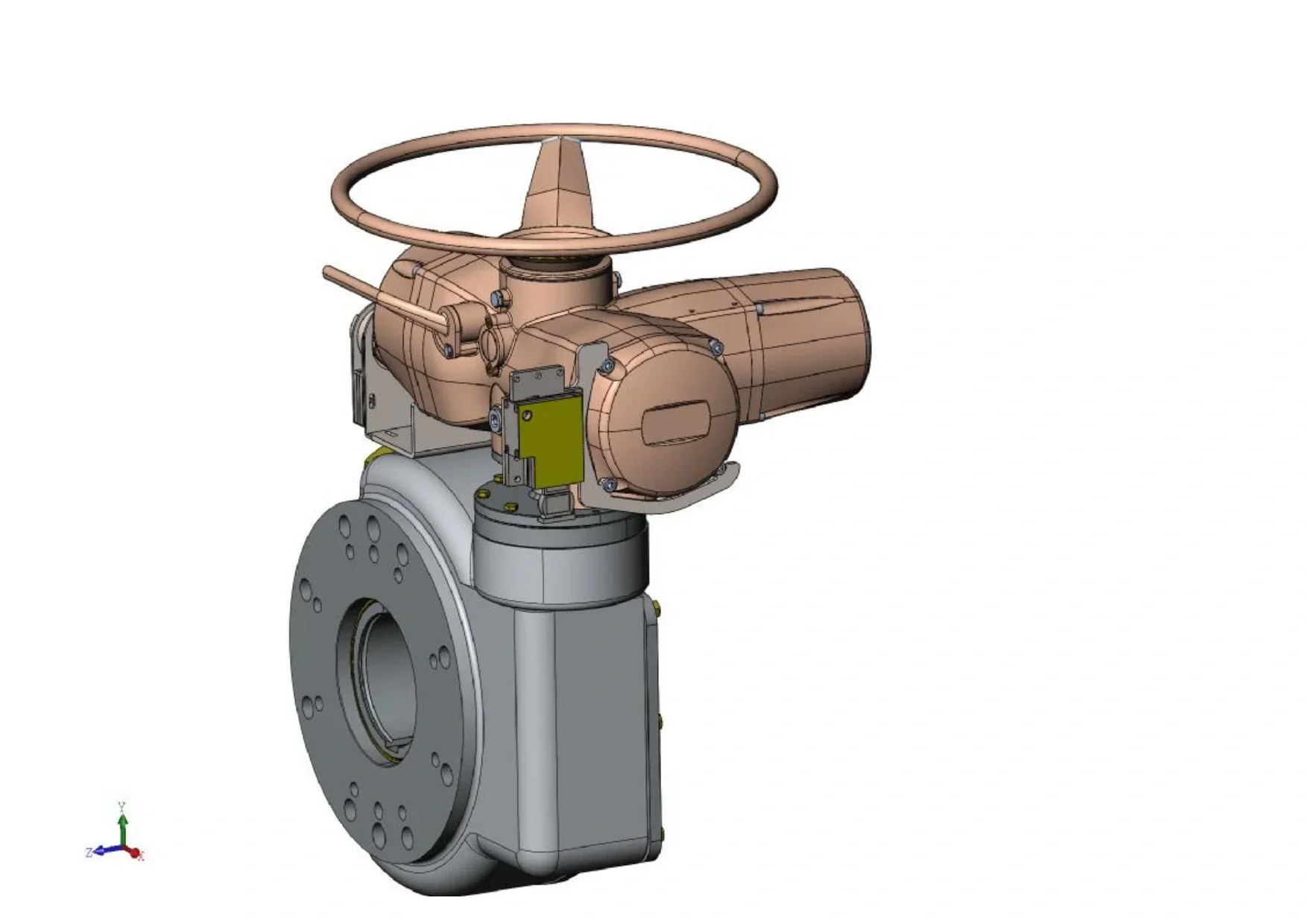
Mechanical Valve Interlocking Systems: A Reliable Safety Solution
Companies like Nudango specialize in manufacturing mechanical valve interlocking systems, which operate based on physical key-transfer logic rather than electronic control.
How Mechanical Interlocking Works
A typical mechanical valve interlock system uses:
-
Keys
-
Locks installed on valves
-
A transfer box or control unit
The system is designed so that:
-
A valve must be placed in a specific position (open or closed) before a key can be released.
-
That key is then required to unlock another valve.
-
Only after completing the correct sequence can the process continue.
This physical dependency ensures that operators cannot bypass safety steps.
Key Advantages
Mechanical systems offer several advantages in refinery environments:
-
No reliance on electricity or control systems
-
High resistance to harsh environments (heat, dust, vibration)
-
Fail-safe by design
-
Simple operation and low maintenance
-
Extremely reliable even during power outages
Because of these features, mechanical interlocks are widely used in high-risk refinery operations where reliability is more important than automation complexity.
Why Oil Refineries Need Valve Interlocking Systems
Oil refineries consist of multiple interconnected processing units, including distillation columns, cracking units, storage tanks, and transfer pipelines. These systems often share pipelines and require frequent switching between different flow paths.
Without interlocking protection, operators may accidentally:
-
Open the wrong pipeline route
-
Mix incompatible hydrocarbons
-
Release pressure without proper isolation
-
Start maintenance procedures without full shutdown
Such errors can lead to severe safety incidents.
Valve interlocking systems prevent these issues by enforcing sequence control at the mechanical level, ensuring that operations follow strict procedural logic.
Key Applications in Oil Refineries
1. Tank Farm Operations
Tank farms are storage areas containing multiple oil and chemical tanks. Valve interlocking systems ensure:
-
Only one tank is connected to a transfer line at a time
-
Inlet and outlet valves cannot be opened simultaneously in unsafe configurations
-
Switching between tanks follows a safe sequence
This reduces the risk of cross-contamination and overflow incidents.
2. Pipeline Switching and Product Transfer
Refineries frequently switch between different products such as crude oil, diesel, gasoline, and chemical intermediates.
Mechanical interlocks ensure:
-
Only the correct pipeline route is activated
-
Previous lines are fully isolated before new flow begins
-
Operators cannot accidentally mix incompatible products
This is essential for maintaining product quality and preventing dangerous reactions.
3. Pump Start-Up and Shutdown Procedures
Pumps in refineries must operate under specific inlet/outlet conditions. Interlocking systems ensure:
-
Pump cannot start unless suction and discharge valves are in correct position
-
Pump shutdown sequence is followed before valve isolation
-
Dry running or overpressure conditions are avoided
This extends equipment lifespan and improves operational safety.
4. Maintenance Isolation (Lockout Safety)
During maintenance, equipment must be completely isolated from live process lines. Mechanical interlocking ensures:
-
Valves are locked in closed position
-
Isolation sequence is strictly enforced
-
Maintenance key can only be released when full isolation is achieved
This significantly reduces the risk of accidental startup during maintenance activities.
5. Distillation and Processing Units
In units such as crude distillation towers and catalytic crackers, valve interlocks help:
-
Control flow between different stages
-
Prevent incorrect feed routing
-
Ensure safe startup and shutdown sequences
These processes operate under high temperature and pressure, making interlocks essential.
Integration with Refinery Safety Systems
Valve interlocking systems are often part of a broader process safety management (PSM) framework. In modern refineries, they work alongside:
-
Emergency shutdown systems (ESD)
-
Distributed control systems (DCS)
-
Pressure safety valves (PSV)
-
Alarm and monitoring systems
However, mechanical interlocks are unique because they operate independently, providing a physical layer of protection that does not depend on software or electricity.
This makes them especially valuable in emergency conditions where electronic systems may fail.
Mechanical vs Electrical Interlocking in Refineries
While both systems are used, they serve different purposes:
| Feature | Mechanical Interlock | Electrical Interlock |
|---|---|---|
| Power requirement | None | Required |
| Reliability | Very high | High but dependent on systems |
| Maintenance | Low | Moderate |
| Environment suitability | Excellent for harsh conditions | Requires protection |
| Complexity | Simple | More complex |
Many refineries use a hybrid approach, but mechanical systems remain the preferred choice for critical safety operations.
Industry Demand and Future Trends
As global refinery safety standards become stricter, demand for valve interlocking systems continues to grow. Key trends include:
-
Increased adoption in LNG and petrochemical facilities
-
Integration with digital monitoring for hybrid systems
-
Custom-designed mechanical interlocks for complex layouts
-
Higher focus on operator safety training combined with physical safeguards
Despite advances in automation, mechanical interlocking systems remain irreplaceable in core safety functions due to their simplicity and reliability.
Role of Manufacturers Like Nudango
Manufacturers such as Nudango play an important role in supplying refinery-grade mechanical valve interlocking systems. Their solutions typically focus on:
-
Custom-engineered mechanical interlocks
-
Durable materials suitable for harsh industrial environments
-
Sequential control logic tailored to refinery operations
-
Reliable key-transfer safety mechanisms
By providing robust mechanical systems, they help refineries reduce operational risks and comply with strict safety standards.
Conclusion
Valve interlocking systems are a fundamental part of modern oil refinery safety architecture. They ensure that complex valve operations follow a strict and safe sequence, preventing human error and reducing the risk of accidents.
In particular, mechanical valve interlocking systems offer unmatched reliability in high-risk environments due to their simplicity, durability, and independence from external power sources.
From tank farms to pipeline switching, pump control, and maintenance isolation, these systems are widely applied across refinery operations. As safety requirements continue to evolve, mechanical interlocks will remain a core technology supporting safe and efficient refinery operations worldwide.
www.nudango.com
nudango

