The global nut processing industry continues to face increasing demands for consistent quality, longer shelf life, and higher production efficiency. Whether processing almonds, walnuts, cashews, pistachios, peanuts, or other specialty nuts, commercial processors must control moisture content precisely to prevent mold growth, maintain flavor stability, and meet strict food safety requirements. In this environment, Drying systems for commercial nut processors have become a critical part of modern nut production lines.
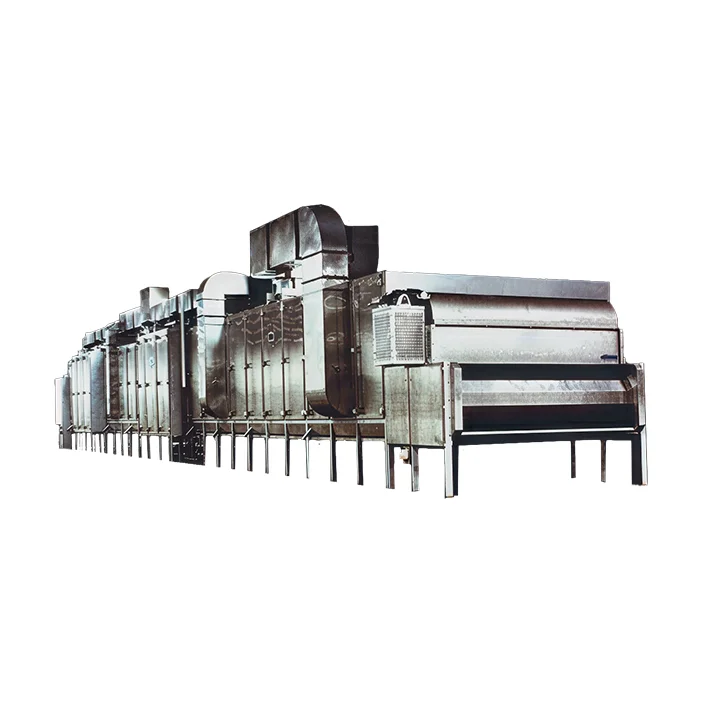
Unlike simple heating equipment, industrial nut drying systems must provide accurate temperature control, uniform airflow distribution, energy efficiency, and continuous operation capability. Improper drying conditions can directly affect product quality, including texture, color, oil stability, and storage performance. For large-scale processors handling tons of raw materials every day, selecting the right drying technology is essential for improving yield, reducing energy consumption, and maintaining consistent product standards.
Modern drying solutions combine thermal engineering, airflow optimization, automation control, and heat recovery technologies to meet the complex requirements of commercial nut processing.
Why Moisture Control Is Critical in Nut Processing
Moisture management is one of the most important factors influencing nut quality. Freshly harvested nuts often contain higher moisture levels that must be reduced before storage, roasting, packaging, or further processing.
If moisture remains too high, several problems may occur:
-
Increased risk of microbial growth
-
Reduced storage stability
-
Uneven roasting performance
-
Texture degradation
-
Shortened shelf life
-
Higher product loss during transportation
However, excessive drying can also create problems. Removing too much moisture may lead to brittle texture, reduced sensory quality, or unnecessary energy consumption.
For commercial nut processors, the objective is not simply to remove water but to achieve the correct final moisture level while preserving the natural characteristics of the product. This requires a drying system capable of maintaining stable temperature, controlled humidity removal, and consistent treatment throughout the entire batch.
High-performance Drying systems for commercial nut processors are designed around this balance, providing precise thermal processing rather than uncontrolled heat application.
The Technology Behind Industrial Nut Drying Systems
Commercial nut drying requires more advanced technology than conventional small-scale drying equipment. Large production environments need systems that can process high volumes while maintaining uniform results.
An industrial drying system typically includes several key components:
-
Heating system
-
Air circulation system
-
Drying chamber or conveyor structure
-
Temperature and humidity monitoring system
-
Intelligent control unit
-
Exhaust and moisture removal system
The heating method can vary depending on production requirements. Common solutions include hot air circulation, indirect heating, thermal oil systems, steam heating, and customized heat energy solutions.
The main challenge is ensuring that every nut receives the same drying conditions. Uneven airflow or temperature differences inside the drying chamber can create inconsistent moisture levels, resulting in quality variations between different sections of the production batch.
Advanced airflow design helps solve this problem by optimizing air velocity, circulation paths, and heat distribution. This allows processors to achieve more uniform drying performance even when handling large quantities of nuts.
Temperature Control Protects Product Quality
Nuts contain natural oils, proteins, and sensitive flavor compounds that can be affected by excessive heat exposure. Therefore, temperature accuracy is a key performance indicator for commercial drying equipment.
Different nuts require different drying parameters depending on their structure and composition.
For example:
Almonds require controlled drying to maintain crispness and prevent oxidation.
Walnuts require careful temperature management because of their high oil content.
Pistachios need balanced drying conditions to maintain color and texture.
Cashews require stable thermal treatment to prevent quality changes during processing.
A well-designed drying system allows operators to adjust temperature profiles according to product characteristics. Instead of applying constant high heat, intelligent systems can create optimized heating stages that gradually remove moisture while protecting nutritional and sensory properties.
Temperature uniformity is especially important in continuous production lines. Even small differences in drying temperature can affect final moisture content and create inconsistencies between batches.
Energy Efficiency Is Becoming a Key Consideration
Energy consumption represents a significant operating cost in industrial food processing. As energy prices increase and sustainability requirements become stricter, commercial processors are paying more attention to the efficiency of thermal equipment.
Modern Drying systems for commercial nut processors improve energy utilization through optimized heat transfer and intelligent control.
Energy-saving technologies may include:
High-efficiency heat exchangers.
Heat recovery systems.
Insulated drying chambers.
Variable-speed fans.
Automatic temperature regulation.
By recovering and reusing waste heat, processors can reduce fuel consumption while maintaining stable drying performance. Improved insulation also minimizes heat loss, ensuring that more energy is used for moisture removal rather than escaping into the surrounding environment.
For large processing facilities operating continuously, even a small improvement in thermal efficiency can significantly reduce annual operating costs.
Continuous Drying Solutions for Large-Scale Production
Commercial nut processors often require equipment capable of operating continuously rather than batch-by-batch processing. Continuous drying systems provide advantages in production consistency, automation, and labor efficiency.
Compared with traditional batch drying methods, continuous systems allow:
Stable material flow.
Consistent drying time.
Reduced manual intervention.
Higher production capacity.
Better process monitoring.
For factories processing several tons of nuts per day, continuous drying lines help maintain predictable output while reducing production interruptions.
The design of the conveying system is also important. The movement speed, material distribution, and layer thickness directly influence drying efficiency. Professional equipment manufacturers adjust these parameters according to nut type, production capacity, and required moisture reduction.
Customized Drying Solutions for Different Nut Processing Applications
Every nut processing facility has different requirements depending on raw materials, production scale, factory layout, and energy availability. A standard drying machine may not always provide the best solution.
Customization may involve:
Drying capacity adjustment.
Heating source selection.
Chamber design optimization.
Airflow configuration.
Automation level.
Integration with roasting or cooling systems.
FAB Stanley Trading (Shanghai) Co., Ltd. focuses on thermal energy solutions and industrial drying equipment, providing customized large-scale drying, baking, and cooling solutions for global customers.
By combining thermal engineering expertise with practical industrial experience, the company develops drying systems designed around specific production conditions. This approach helps customers achieve improved energy efficiency, stable product quality, and reliable long-term operation.
Integration with Complete Nut Processing Lines
A modern nut processing facility requires coordination between different stages, including cleaning, drying, roasting, cooling, seasoning, and packaging. The drying system must therefore work effectively with upstream and downstream equipment.
For example, insufficient drying before roasting may increase roasting time and create uneven flavor development. Excessive moisture after cleaning may reduce storage stability. Poor cooling after thermal processing may affect packaging efficiency.
An integrated drying solution considers the entire production workflow rather than treating drying as an isolated process.
Through proper system design, processors can achieve better control over:
Production capacity.
Energy consumption.
Product consistency.
Maintenance requirements.
Overall operating efficiency.
Selecting the Right Industrial Drying Equipment Partner
Choosing a drying system supplier requires evaluating more than equipment specifications. Long-term performance depends on engineering capability, customization experience
www.fabstanley.com
FAB Stanley Trading (Shanghai) Co., Ltd


